How to Handle Fan Backlash as a Referee
3 May 2026
Being a referee is one of the toughest jobs in sports. No matter how fair or accurate you try to be, there will always be fans who disagree with your calls. And sometimes, those disagreements turn into full-blown backlash.
So, how do you deal with it? How do you handle the relentless criticism, the shouting from the stands, and the social media storms that seem never-ending? Let’s break it down.

Understanding Fan Backlash
Before tackling how to handle fan backlash, it’s critical to understand why it happens in the first place. Fans are deeply passionate about their teams. They invest their emotions, time, and sometimes even their finances into their favorite players and clubs.When a referee makes a decision—especially a controversial one—it can feel like a personal attack to them. The anger, frustration, and jeers are often more about their emotional investment than an actual vendetta against you.

Stay Calm Under Pressure
1. Don’t Take It Personally
This is rule number one. When fans start yelling, chanting, or even hurling insults, remind yourself that it’s not about you as a person—it’s about your role as the referee.Would they be screaming if another official made the same call? Probably. That should tell you everything you need to know. Their emotions are directed at the position, not the person.
2. Stay Focused on the Game
A referee's job is to uphold the rules of the game, not to win a popularity contest. Once the whistle blows, your priority should be accuracy and fairness. Block out the noise—literally and figuratively—so you can make the right calls without second-guessing yourself.3. Control Your Body Language
Fans watch everything. If you look nervous, hesitant, or easily rattled, they’ll pick up on it and get even louder. Stay composed, stand tall, and exude confidence. A referee who looks in control will command a level of respect, even from disgruntled fans.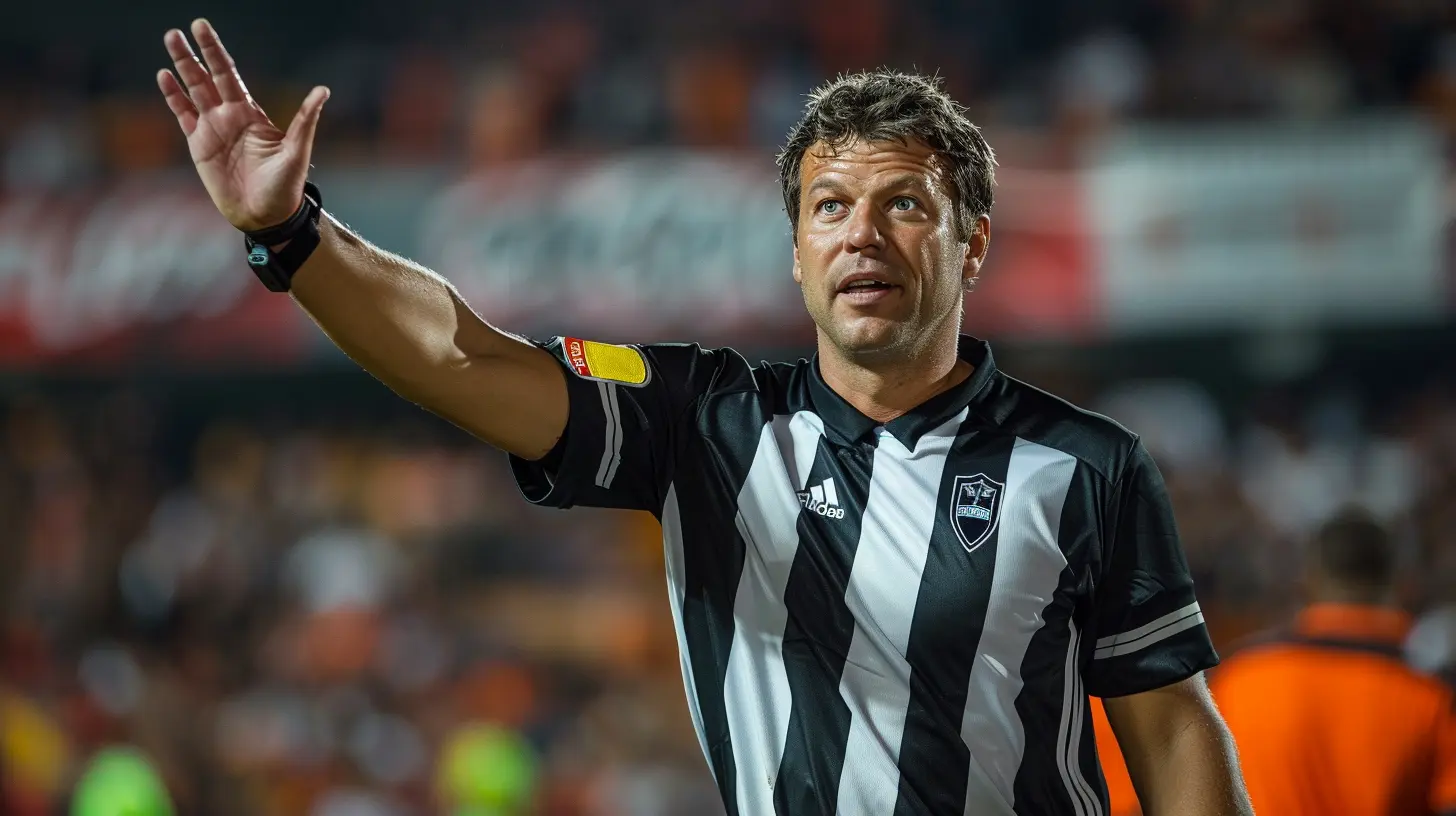
Handling Heated Moments on the Field
4. Stay Professional at All Times
You've probably encountered players and coaches who disagree with your calls, sometimes loudly. In these moments, your professionalism matters more than ever. Keep your responses measured and stick to the rules.Would arguing back help your case? Unlikely. Engaging in a shouting match with a coach or player doesn’t make you a better referee—it just makes you look emotionally involved.
5. Use Clear and Firm Communication
When explaining a decision, be concise and confident. A simple, “This was the call based on the rulebook” approach works much better than long-winded justifications. Fans, coaches, and players respect decisiveness—even if they don’t like the decision.6. Ensure Consistency in Your Calls
Nothing fuels fan frustration more than inconsistency. If you’re strict with one team but lenient with another, you’re setting yourself up for backlash. Stay consistent in your officiating decisions, and fans will have fewer legitimate reasons to complain.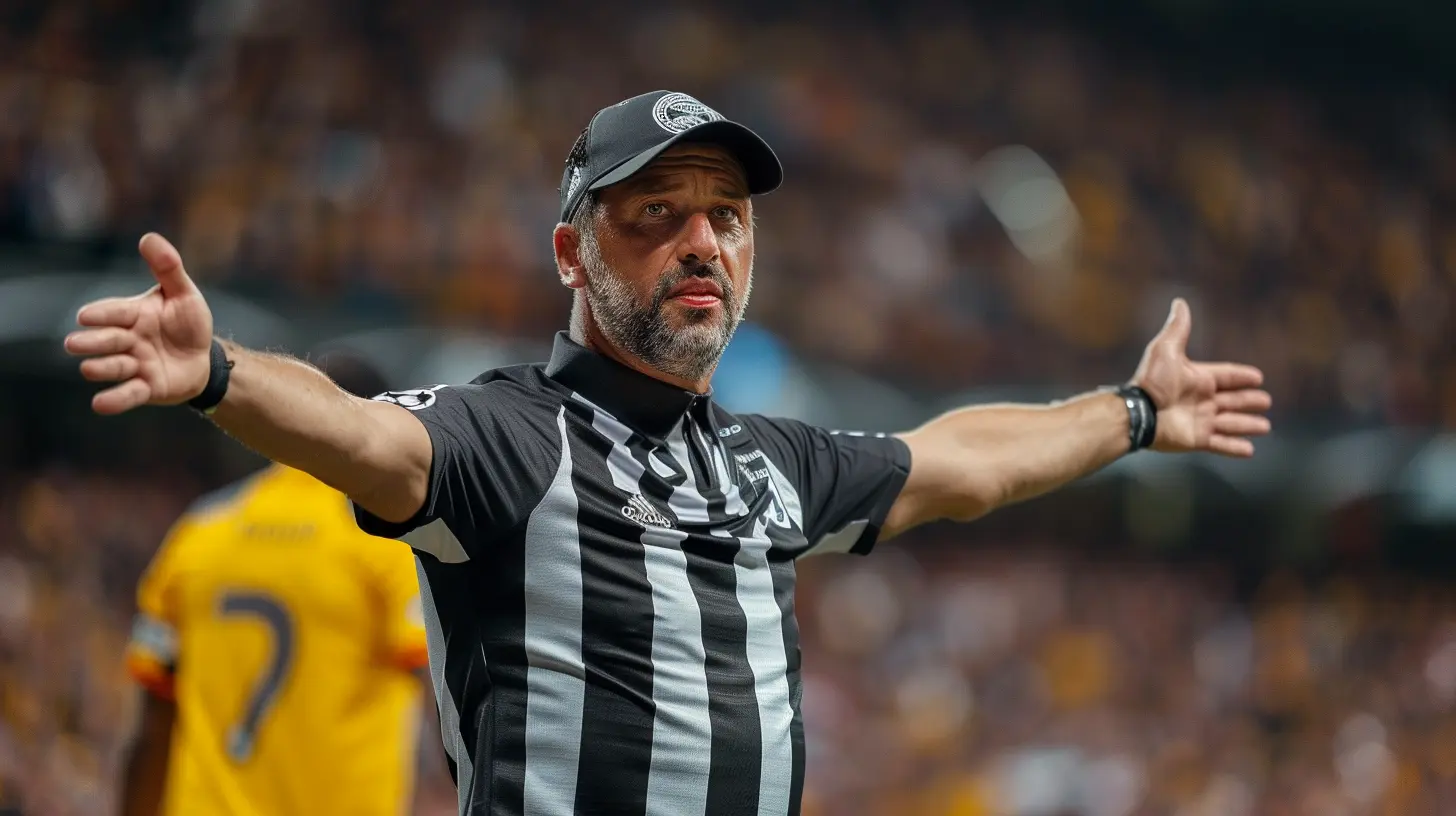
Dealing with Social Media Criticism
7. Avoid Engaging in Online Arguments
Social media can be a brutal place for referees. One controversial call and suddenly, your notifications are flooded with angry messages. The worst thing you can do? Engage in arguments.No matter how logical your defense is, people online will twist your words and fuel the fire. Instead, let your work speak for itself. If your league or organization has a media team, let them handle any official statements.
8. Use Social Media Strategically
Not all online interactions have to be negative. Many referees use social media to educate fans about the rules, post insights, and showcase their professionalism. If you do use social media, keep it neutral and informative rather than defensive.9. Know When to Step Away
If the online hate is getting overwhelming, step away. Mute notifications, log out for a while, and focus on what matters—your performance on the field. No referee ever won an argument on Twitter, so don’t waste your time trying.Building Resilience as a Referee
10. Develop a Strong Mental Game
Refereeing is just as much a mental challenge as it is a physical one. Strengthen your mental resilience by practicing mindfulness, deep breathing, or even seeking mentorship from experienced referees who’ve been through the same thing.11. Learn from Mistakes and Move On
Nobody is perfect, and referees are no exception. If you make a mistake, own it, learn from it, and move forward. Dwelling on past errors will only shake your confidence, which makes handling fan backlash even harder.12. Surround Yourself with a Support System
Having a strong support system—whether it’s fellow referees, mentors, or even friends and family—can help you keep a level head. Talking things out with those who understand the pressures of the job can make all the difference.
When Fan Backlash Crosses the Line
13. Recognize the Difference Between Passion and Harassment
Boos, chants, and criticism are part of the game. But if things escalate into personal threats, stalking, or harassment, that’s a serious issue. Know where the line is, and don’t hesitate to report inappropriate behavior to the necessary authorities.14. Lean on League or Organizational Support
Most professional leagues have protocols in place to protect referees from extreme backlash. If you’re facing severe criticism or threats, reach out to your league’s officials for guidance and support.15. Prioritize Your Well-Being
Your mental health is just as important as your performance on the field. If fan backlash is taking a toll on your well-being, consider speaking to a sports psychologist or seeking professional help. It’s not a sign of weakness—it’s a sign of strength.Final Thoughts
Handling fan backlash as a referee is a skill in itself. It comes with the territory, but that doesn’t mean it has to break you. Stay composed, focus on the game, and remember that your job is to officiate fairly—not to appease every fan in the stands.At the end of the day, passion fuels sports, and sometimes that passion turns into frustration. The key is knowing how to navigate it without losing sight of your role. Stay strong, stay professional, and keep blowing that whistle with confidence.
all images in this post were generated using AI tools
Category:
RefereeingAuthor:

Umberto Flores
Discussion
rate this article
2 comments
Ella McCollum
As a referee, remember that every call has its critics. Stay focused, trust your instincts, and keep your head up... you've got this!
July 13, 2026 at 12:35 PM
Umberto Flores
Thanks for the encouragement! Staying focused is key.
Starla Jordan
Referees often stand alone, facing the heat of passionate fans. It's crucial to remember that every call is a part of the game, not a personal attack. Embracing criticism can lead to growth, but maintaining confidence is key to enduring the storm.
May 4, 2026 at 3:24 AM
Umberto Flores
I appreciate your insight. It's vital for referees to focus on the game and let the criticism drive their improvement while staying confident amidst the noise.