Learning from Mistakes: How Referees Bounce Back from Bad Calls
9 July 2026
Referees, like all humans, are bound to make mistakes. In the heat of the game, a single bad call can shift momentum, spark controversy, and invite backlash from fans, players, and coaches. However, what truly defines a great referee is not whether they make mistakes—it’s how they handle them. So, how do referees recover from bad calls and continue officiating at the highest level? Let’s dive into their mindset, the strategies they use to improve, and the resilience needed to keep blowing the whistle with confidence.
The Pressure of Officiating in Sports
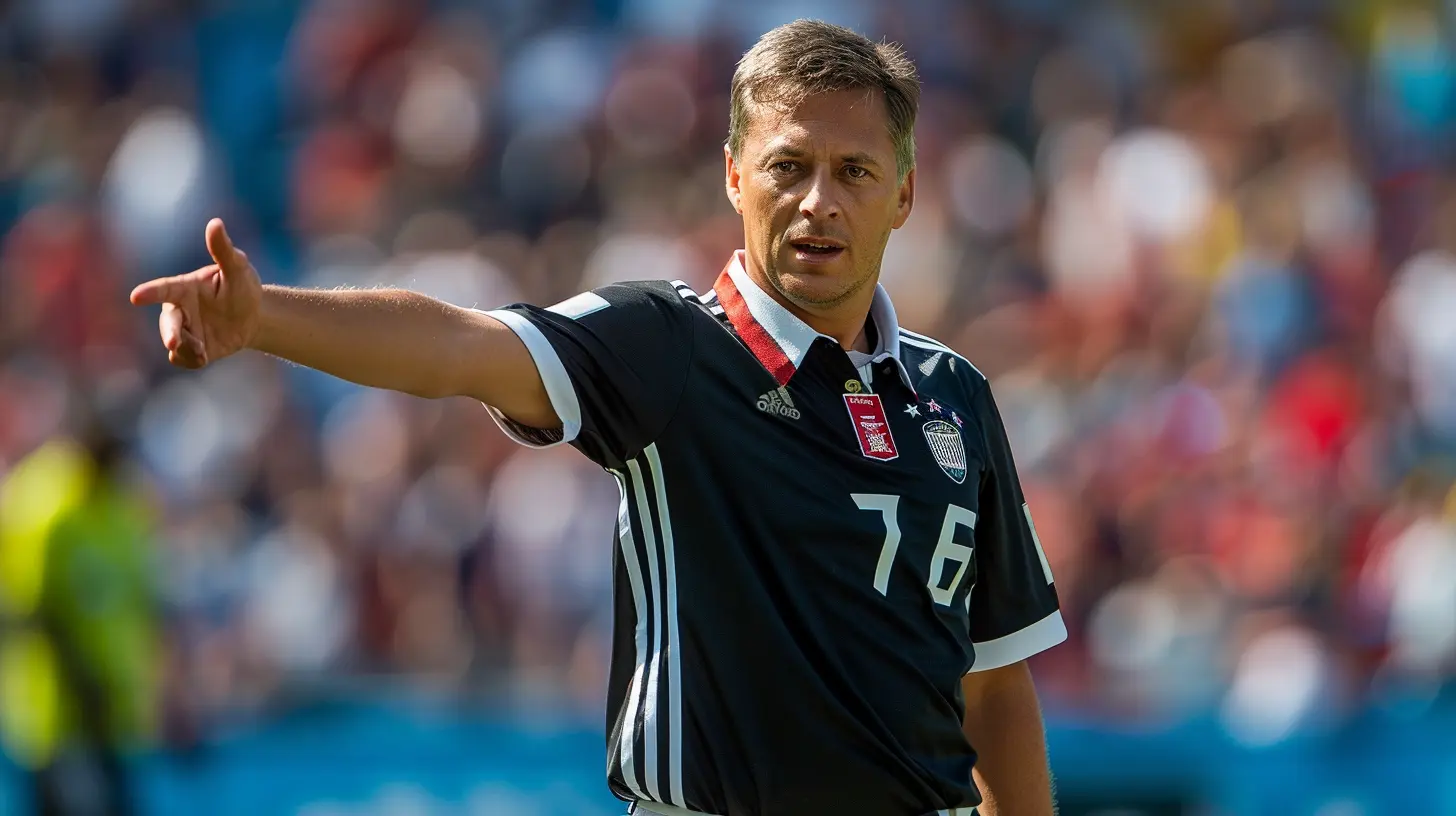
Officiating a game is no walk in the park. Imagine standing in the middle of a packed stadium with thousands of passionate fans scrutinizing your every decision. Every call you make—or miss—can influence a team’s fate.Referees operate under immense pressure, knowing that a single moment of misjudgment can make headlines. With slow-motion replays, social media criticism, and even post-game analysis dissecting their decisions, the scrutiny is relentless. But the best referees don’t crumble under this pressure—they learn and grow from their errors.
Admitting and Owning Up to Mistakes
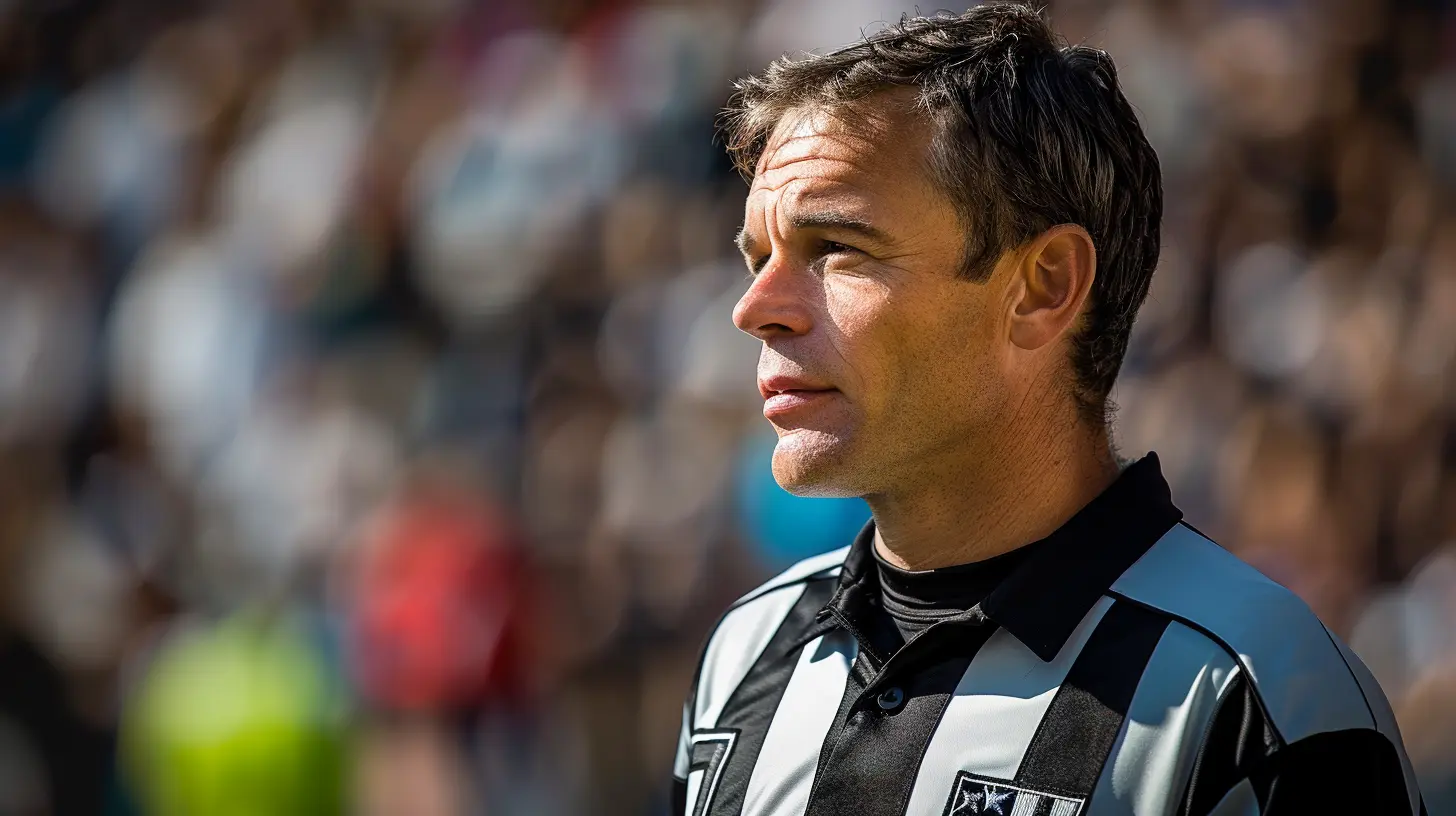
One of the first steps in bouncing back from a bad call is acknowledging the mistake. The worst thing an official can do is deny or ignore an error, especially when the evidence is clear.- Honesty builds credibility. When a referee accepts responsibility for a bad call, players and coaches may still be frustrated, but they are more likely to respect the official.
- Post-game reflection is key. Many top referees review game footage to analyze their calls, identifying what went wrong and how to improve in future matches.
- Public statements or private apologies. In professional sports, some referees have openly admitted their mistakes after the game. While they can’t change the past, acknowledging the error can help maintain integrity in the sport.
The Role of Instant Replay and Technology
Technology has been both a blessing and a curse for referees. While tools like VAR (Video Assistant Referee) in soccer and instant replay in the NFL help reduce errors, they also magnify any mistakes that slip through the cracks.- VAR and replay assistance give referees a safety net, but they aren't perfect. Sometimes, even with high-tech aid, controversial calls remain a talking point.
- Technology forces referees to evolve. Referees not only have to keep up with the rules but also the latest advancements in officiating technology. Learning how to effectively use these tools is crucial in minimizing errors.
Despite these tools, human judgment remains a significant factor in decision-making, proving that no system is immune to mistakes.

Building Mental Resilience
Referees have to develop thick skin. Making a tough call in a critical moment requires confidence, and bouncing back from a wrong decision requires even more mental strength.- Dealing with criticism is an everyday reality. Social media can be brutal, with fans dissecting every call. It takes resilience to tune out the negativity and stay focused on the job.
- Self-confidence is crucial. A referee who second-guesses every decision will make even more mistakes. Learning from errors without letting them affect future calls is a delicate balance.
- Support systems help. Many professional referees rely on mentorship from senior officials, peer discussions, and even sports psychologists to maintain mental toughness.
Continuous Learning and Improvement
The best referees never stop learning. Staying at the top of their game requires constant improvement, just like athletes.Post-Game Reviews
Most officiating crews break down game footage after every match. They discuss calls, analyze positioning, and evaluate decision-making processes to ensure they improve for the next game.Training and Workshops
Referees attend regular workshops to stay updated on rule changes, game management techniques, and new officiating technologies. FIFA, the NBA, and other top sports organizations provide extensive training to help referees refine their skills.Physical and Mental Preparation
Officiating is physically demanding, especially for referees in high-speed sports like basketball and soccer. Maintaining peak physical condition ensures they are always in the right position to make accurate calls.
Handling High-Pressure Situations
Mistakes can shake a referee’s confidence, but the best officials have short memories—they move on quickly.- Staying composed in the moment is essential. If a referee dwells on a bad call, it can lead to more errors as frustration and self-doubt creep in.
- Pre-game routines help. Many referees use mental visualization techniques before a match, imagining different in-game situations and how they would react.
- Experience breeds confidence. The more games referees officiate, the better they become at handling high-pressure moments.
Gaining Back the Trust of Players and Fans
A referee’s credibility is everything. One bad call doesn’t define a career, but a pattern of poor officiating can damage their reputation.- Consistency is key. Players may forgive one mistake, but if referees start making repeated errors, their credibility erodes.
- Clear communication helps. When referees explain their decisions calmly and confidently, it builds trust with players and coaches, even when they disagree.
- Earning respect takes time. A referee who consistently makes fair and well-thought-out calls will gradually regain the trust of teams and fans.
Famous Cases of Referees Bouncing Back
History has seen several referees come under fire for crucial mistakes, only to redeem themselves later.- Jim Joyce (MLB): In 2010, umpire Jim Joyce mistakenly called a runner safe, costing pitcher Armando Galarraga a perfect game. Joyce tearfully admitted his mistake, earning widespread respect for his honesty.
- Mark Clattenburg (Soccer): Early in his career, Clattenburg faced criticism for controversial decisions. However, he worked hard to improve and became one of the most respected referees in world football.
- Ed Hochuli (NFL): Known for his in-depth explanations, Hochuli made a major blunder in 2008 but owned up to it and continued to be one of the NFL’s best officials.
These examples show that one mistake doesn’t define a referee’s career—how they respond does.
Conclusion: Mistakes Are Part of the Job, Growth Is the Goal
At the end of the day, referees are human. Mistakes happen, and while they can have major consequences, they also serve as learning opportunities. The best referees understand that errors are part of the job, but continuous improvement, mental resilience, and integrity separate the good from the great.Refereeing is a challenging yet rewarding role. While no official enjoys making a bad call, it’s how they bounce back that truly matters. The ability to acknowledge mistakes, learn from them, and move forward with confidence defines a referee’s success in the game.
all images in this post were generated using AI tools
Category:
RefereeingAuthor:

Umberto Flores
Discussion
rate this article
1 comments
Faenor McGuffin
This article highlights an important aspect of sports that often goes unnoticed. Referees play a crucial role in the game, and their ability to learn from mistakes shows true professionalism. Acknowledging errors and moving forward is what makes any sport better. Great read!
July 9, 2026 at 12:14 PM
Umberto Flores
Thank you for your thoughtful comment! I completely agree that referees' growth from mistakes is essential for the game. Glad you enjoyed the article!