Refereeing During a Pandemic: Lessons Learned from Unprecedented Times
7 March 2026
Let’s face it, nobody saw it coming. Not the players, not the coaches, and definitely not the referees. When COVID-19 hit the world like an unexpected red card in the first five minutes of a soccer final, the entire sports universe was thrown into chaos. While fans sat at home, streaming replays and yearning for live action, referees faced a very different challenge: how do you officiate a game in a world where human contact is suddenly a risk?
From empty stadiums to masked toss-ups, refereeing during a pandemic flipped the script in ways nobody could've imagined. This wasn’t just a new rulebook—it was an entirely new game.
Let’s blow the whistle and dive into the strange, shadowy world of pandemic refereeing. Who adapted? Who struggled? And what stark, sometimes eerie lessons did officials learn in the silence of a stadium with no cheers?
The Whistle Blew Differently: A Game Without Noise
Imagine calling a foul in a packed stadium. The roar of the crowd, the pressure, the split-second decisions. Now imagine doing the same in dead silence. No fans. No chants. Just players’ voices echoing like ghosts in an empty arena.Without crowd noise, every word spoken by referees was amplified. What used to be background chatter suddenly became front and center. Refs had to be more thoughtful and diplomatic with their communication. There was no hiding behind the cheers anymore.
This eerie quiet changed everything—from how referees controlled the game to how players reacted to calls. In many ways, it felt like sports theater turned into intimate drama, with referees taking on an unexpected starring role.
Masks, Tests, and Bubble Life: The New Normal
Refereeing used to be tough. Then came temperature checks, nose swabs, masks under the sun, and endless sanitizing. Some officials were tossed into “bubble” environments, operating under extreme protocols where any slip-up could mean the end of the season—or worse, a health risk.Can you imagine sprinting up and down the court or field in 90°F heat with a mask strapped to your face? It became normal. Referees had to be in peak physical shape—not just to keep up with play but to withstand the taxing conditions.
More than just physical endurance, referees needed mental toughness. The isolation, the fear of infection, the constant uncertainty—all while trying to stay focused on making the right call at the right time. That’s pressure on a whole new level.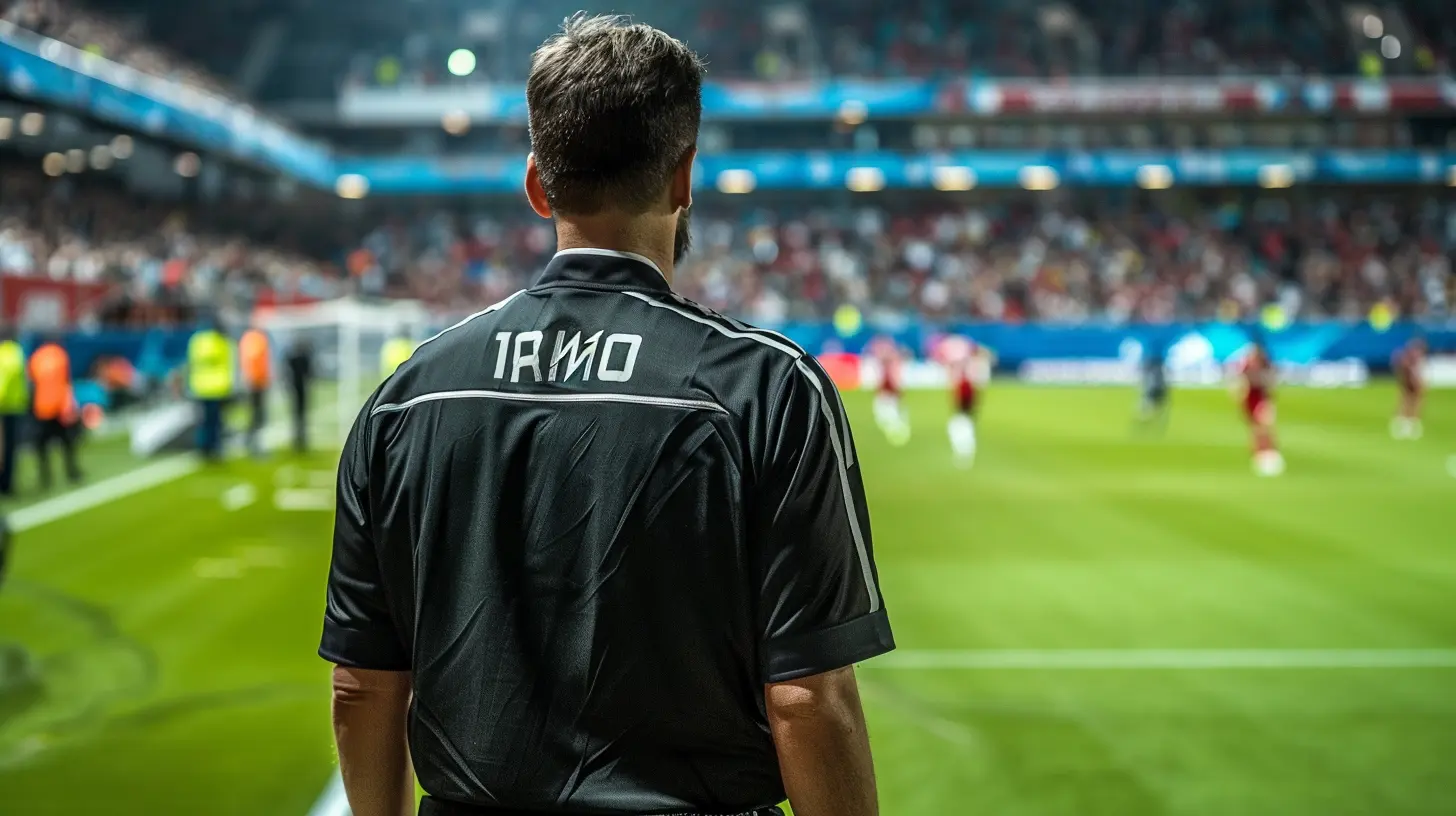
Technology Took the Wheel
One of the most dramatic shifts? The surge of reliance on technology.With limited crews and social distancing in place, video assistance became the star player. VAR (Video Assistant Referee) in soccer, instant replay in basketball, and hawk-eye in tennis weren’t just tools—they became lifelines.
Referees working remotely with tech teams meant that decisions were often reviewed more carefully and independently. The silver lining? Accuracy improved. The downside? It slowed the game and introduced delays that frustrated both players and fans.
Still, this era forced leagues to refine their tech systems, iron out bugs, and lean into digital officiating like never before. And let’s be real—some of that is here to stay.
Training, Retraining, and Unlearning
What happens when the way you’ve been doing your job for years suddenly becomes obsolete overnight?That was the reality for thousands of referees worldwide. Training routines were flipped. No more in-person coaching or big seminars. Everything moved online—Zoom sessions, virtual rule updates, video breakdowns.
And it wasn’t just about learning new health protocols. Officials had to unlearn old habits—like how close they stood to players, how they blew their whistle (yes, even that became an issue), and how to manage conflict without physical interference.
The pandemic became the ultimate crash course in adaptability.
The Emotional Toll: Refs Are Human, Too
We often forget that referees are people. They don’t just show up, make calls, and vanish into the night. They have families, fears, and the same anxieties we all felt during those uncertain months.During the pandemic, many refs had to make painful choices. Some stepped back from officiating to protect vulnerable loved ones. Others traveled under strict quarantine rules, sacrificing time with their families for the game.
The emotional toll was monumental. The pressure to keep games fair, safe, and flowing under surreal conditions was unlike anything officials had ever faced. And yet, they showed up. Week after week. Whistle after whistle.
If anything, the pandemic humanized referees in the eyes of many. They weren't just authority figures anymore—they became unsung heroes of a struggling industry.
The Good, The Bad, and the Awkward Moments
Let’s talk real. Not all changes were smooth.There were awkward moments—like refs forgetting to unmute their mics during reviews, or miscommunications between remote and on-field officials due to tech hiccups.
And there were the “oops” incidents—refs unknowingly breaking their own COVID protocols, touching the ball, or being caught too close to players after a goal celebration.
But hey, it was uncharted territory. Mistakes were bound to happen.
Interestingly, one unexpected upside was the rise in mutual respect. With everyone in survival mode, players, coaches, and officials started cutting each other a bit more slack. The tension was still there, but empathy started creeping into the field. A rare silver lining.
What Will Stick Around?
Now that the world is slowly returning to some version of normal, the question is: what pandemic-era changes are here to stay?- Tech-Driven Officiating: VAR and remote reviews are only getting better. Expect more AI and automation in the mix.
- Fitness Focus: Referees are healthier than ever. It’s become the norm to train as seriously as the athletes themselves.
- Virtual Training: Online seminars and digital reviewing of matches have become staple tools for training future refs.
- Smarter Scheduling: Leagues now realize how draining and risky tight travel schedules can be. There’s a move toward smarter logistics.
- Mental Health Matters: More support systems are being introduced for official crews, including counseling and wellness programs.
The pandemic may have started as a disruption, but it ended up being an accelerator—pushing officiating into the future faster than anyone anticipated.
The Legacy of Pandemic Refereeing
So what’s the legacy left behind by refereeing during a pandemic?It’s not just about the masks or empty seats. It’s about resilience. It’s about adaptation in the face of chaos. And it’s about finding a way to keep the game fair, even when the world felt anything but.
Referees around the globe proved that they’re not just rule enforcers—they’re adaptable leaders, committed professionals, and maybe even the unsung backbone of sports continuity during global crisis.
Who knew that silence in a stadium would echo so loudly with lessons?
Final Whistle
If there’s one thing we’ve learned, it’s that referees don’t just survive pressure—they thrive in it. From navigating a silent stadium to adapting to masks, tech, and mental strain—they made the calls when it counted most. And like the best players, they stepped up when the game needed them the most.So next time you're watching a game and tempted to yell at the official, remember—they were the ones who kept the game alive when the world stood still.
Pretty heroic if you ask me.
all images in this post were generated using AI tools
Category:
RefereeingAuthor:

Umberto Flores
Discussion
rate this article
2 comments
Astranor Lopez
This article highlights the unique challenges referees faced during the pandemic, revealing systemic flaws in officiating protocols. It underscores the need for adaptive training and mental resilience, suggesting that these lessons could reshape the future of officiating in a post-pandemic world.
March 27, 2026 at 4:52 AM
Umberto Flores
Thank you for your insightful comment! I'm glad you found the article's exploration of the challenges faced by referees during the pandemic valuable. These lessons are indeed crucial for the future of officiating.
Faith McClellan
Great insights! Refereeing adaptability shines in tough times!
March 10, 2026 at 1:30 PM
Umberto Flores
Thank you! I'm glad you found the insights valuable. Adaptability truly is key in challenging situations!