Refereeing in the Digital Age: How Social Media Affects Match Officials
8 August 2026
Let’s face it — refereeing a sports match has always been a tough gig. You're making split-second decisions, often with thousands of eyes watching, and sometimes a heated crowd chanting not-so-kind words in your direction. Now, sprinkle in the internet and a dash of social media… and boom! Things get a whole lot more intense.
In today’s digital age, referees aren’t just under scrutiny from the fans in the stadium or the players on the pitch. They’re also being watched, recorded, dissected, and judged by millions around the globe in real-time. Yep, welcome to the life of a modern-day match official.
In this article, we’ll take a deep dive into the world of refereeing in the digital era and unpack how platforms like Twitter, Instagram, and TikTok are turning the whistle-blowers into some of the most talked-about people in sports — for better or worse.
The Old Days: When Bad Calls Stayed on the Pitch
Remember the days when a controversial offside call only sparked debates at the pub or around the water cooler? A referee’s mistake might have made it into the next day’s newspaper, but that was about the extent of it.Back then, the margin for error wasn't necessarily smaller, but the backlash was certainly slower and more contained.
Now? One wrong call, and it’s trending on Twitter in seconds, chopped into a meme on Instagram, and possibly breaking down frame-by-frame analysis on YouTube before the match is even over.
The Social Media Spotlight: Constant, Unforgiving, and Relentless
Social media has become a double-edged sword. On one side, it’s a tool for connection and communication. On the other, it’s a digital colosseum where referees are often thrown to the lions.1. Instant Reactions and Viral Criticism
It used to take a lot to get referees in the spotlight. Now, one decision — even a marginal one — can go viral in minutes. A slow-motion replay hits Twitter, someone adds angry commentary, and suddenly the referee is being labeled as the villain of the weekend.Think about it — the emotional intensity of sports fans is already sky-high. Throw in a platform where anyone can voice their opinion to millions? You've got a recipe for chaos.
2. Misinformation and Out-of-Context Clips
Here’s the kicker — not all viral content tells the full story. A decision can look incriminating when you clip just five seconds of game footage. What people often miss is the build-up, the referee’s angle of view, and what the rules actually say.But once the clip is out there, it shapes the narrative, and no one really rushes to fact-check a viral tweet.
The Mental Toll on Match Officials
Let’s talk about the human side of things. Referees aren’t robots (although with VAR, they’re working closer with tech than ever before). They’re people with families, feelings, and flaws.1. Online Abuse and Threats
This is where things get dark. It's no longer just booing from the bleachers. Referees often receive death threats, personal insults, and harassment — not just during games, but in their private lives too. Their families sometimes get dragged into it.Some officials even report waking up to hundreds of abusive messages after a high-profile match. Imagine trying to do your job while knowing millions of people are waiting to dissect every move you make — and not nicely.
2. Burnout and Early Retirement
The pressure isn’t just uncomfortable — it’s unsustainable for many. A growing number of referees, especially at grassroots levels, are quitting or refusing to officiate certain games due to the toxic environment fueled by social media.Even top-level referees, despite being trained to handle criticism, are feeling the weight. The job has become more than enforcing rules — it’s now about surviving the public court of opinion.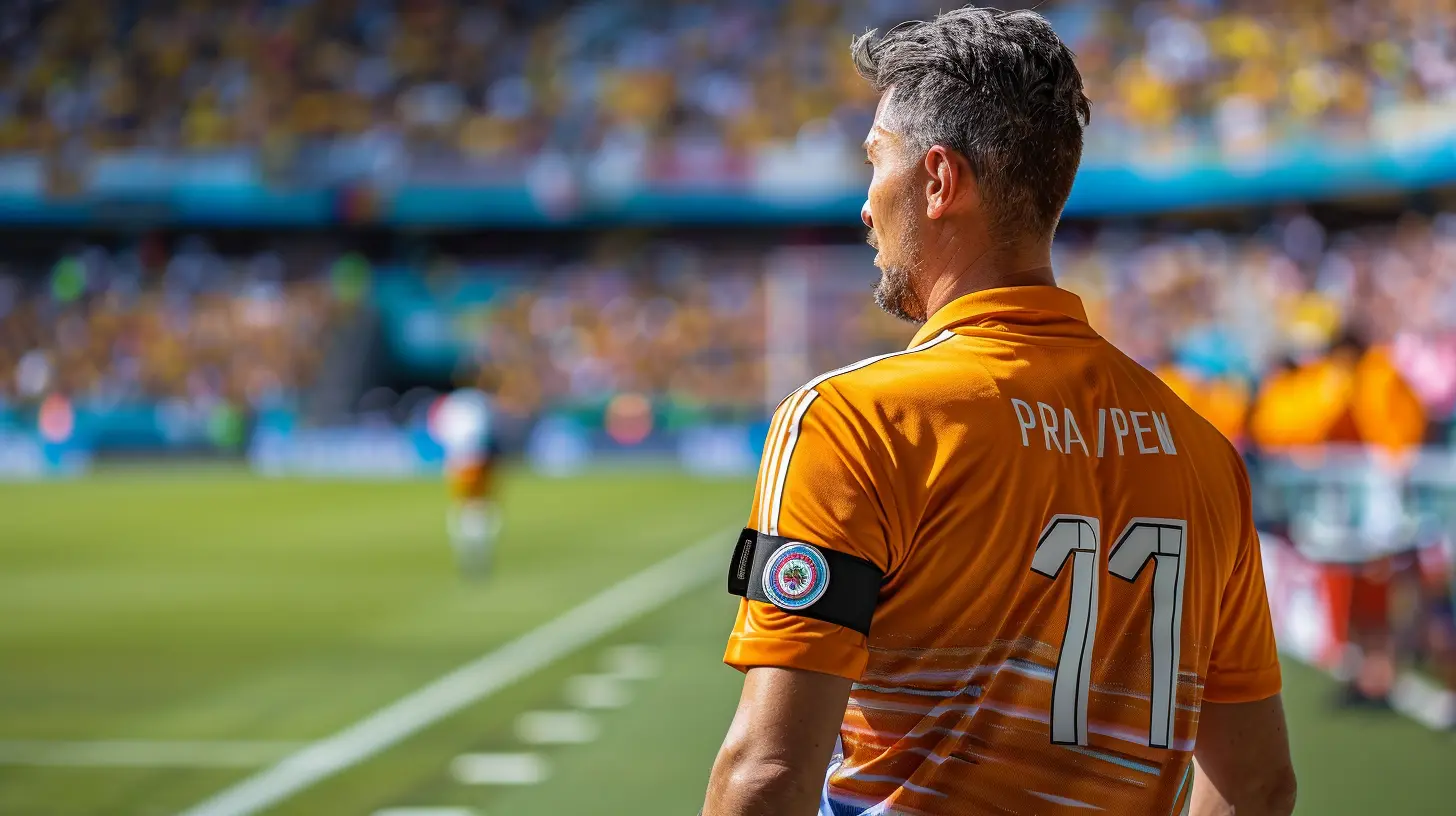
The VAR Factor: Technology as Both Friend and Foe
Video Assistant Referee (VAR) was meant to help referees, and in many ways, it has. But it has also heightened the level of scrutiny.1. More Eyes, More Judgment
Now, fans don't just question the referee’s decision — they question how VAR failed to "correct" it. The expectation has shifted. With tech in place, people assume perfection. But guess what? VAR is still operated by humans. And guess what else? Even technology isn’t flawless.2. Transparency vs. Trust
Many leagues have started releasing audio between referees and VAR officials to improve transparency. But even then, people often mistrust decisions. Social media fuels the narrative that certain teams are favored, or that referees aren’t impartial — whether there’s evidence or not.The result? Public trust in officiating is steadily eroding, one viral clip at a time.
Social Media: A Tool for Growth?
Alright, we’ve painted a pretty grim picture so far. But let’s flip the lens a bit. Can social media be used to help referees rather than hurt them?1. Communication and Education
Some referees and governing bodies are now taking to social media themselves — not to defend every call, but to educate fans. Explaining decisions after games, posting rule clarifications, and showing different angles of incidents is slowly helping fans understand the complexities of officiating.It’s all part of a growing trend towards transparency…and hey, it might just be working.
2. Connecting with the Public
A few match officials have embraced social media to humanize themselves. They post about training routines, day-in-the-life content, or even a bit of humor. It might not erase the hate, but it can help bridge the gap.Because when people see referees as real people instead of faceless authority figures, empathy tends to kick in — even on the internet.
Governing Bodies Fighting Back
It’s not all on referees themselves. Sports organizations are aware of the storm social media creates, and many are stepping up to offer support.1. Mental Health Resources
More and more associations are providing access to mental health counselors and online abuse reporting systems. They’re realizing that referee well-being is non-negotiable if the sport is to thrive.2. Social Media Guidelines
Some leagues now offer training for referees on how to use (or avoid) social media safely. They advise on privacy settings, how to report abuse, and when to disengage. It’s not foolproof, but it’s a step in the right direction.Where Do We Go From Here?
The overlap between sports and social media isn’t going anywhere — and neither is controversy around officiating. But a few things can change:- Fans can be more responsible with what they post and share.
- Platforms can improve moderation and crack down on hate speech.
- Leagues can protect and support their officials with transparency, tools, and training.
Ultimately, refereeing in the digital age is a dance between accountability and compassion. Yes, call out mistakes. Yes, discuss the game. But also remember — the person in black with the whistle is doing the best they can, under the harshest of spotlights.
So next time you're tempted to fire off an all-caps tweet about a missed penalty, take a breath. Then ask yourself: Would I want my job judged by a million strangers, one freeze-frame at a time?
Final Thoughts
We often say that referees have the toughest job in sports — and in the age of social media, that’s never been truer. With every tweet, post, and share, we shape the culture of modern sports. Let’s make sure we’re shaping it with fairness, understanding, and just a little more empathy.After all, without the referees, there’s no game. And without the game, what are we even screaming about on Twitter?
all images in this post were generated using AI tools
Category:
RefereeingAuthor:

Umberto Flores
Discussion
rate this article
1 comments
Angela Curry
If referees had a Twitter, their mentions would be more chaotic than a last-minute penalty call!
August 16, 2026 at 3:06 AM