The History of Refereeing: From the Early Days to Modern Innovations
5 May 2026
Let’s face it — love them or hate them, referees are absolutely essential to the sports we adore. Whether it’s the referee raising a flag in soccer, blowing a whistle in basketball, or tossing a penalty flag in football, they ensure that the game runs smoothly, fairly, and without chaos. But have you ever stopped and wondered where it all started? Where did referees come from, and how did their roles evolve into what they are today?
Well, buckle up! We're about to take a journey through time — from the muddy pitches of 19th-century England to the cutting-edge tech rooms of today’s VAR systems. This is the fascinating story of refereeing — a tale of fairness, controversy, innovation, and a whole lot of whistles.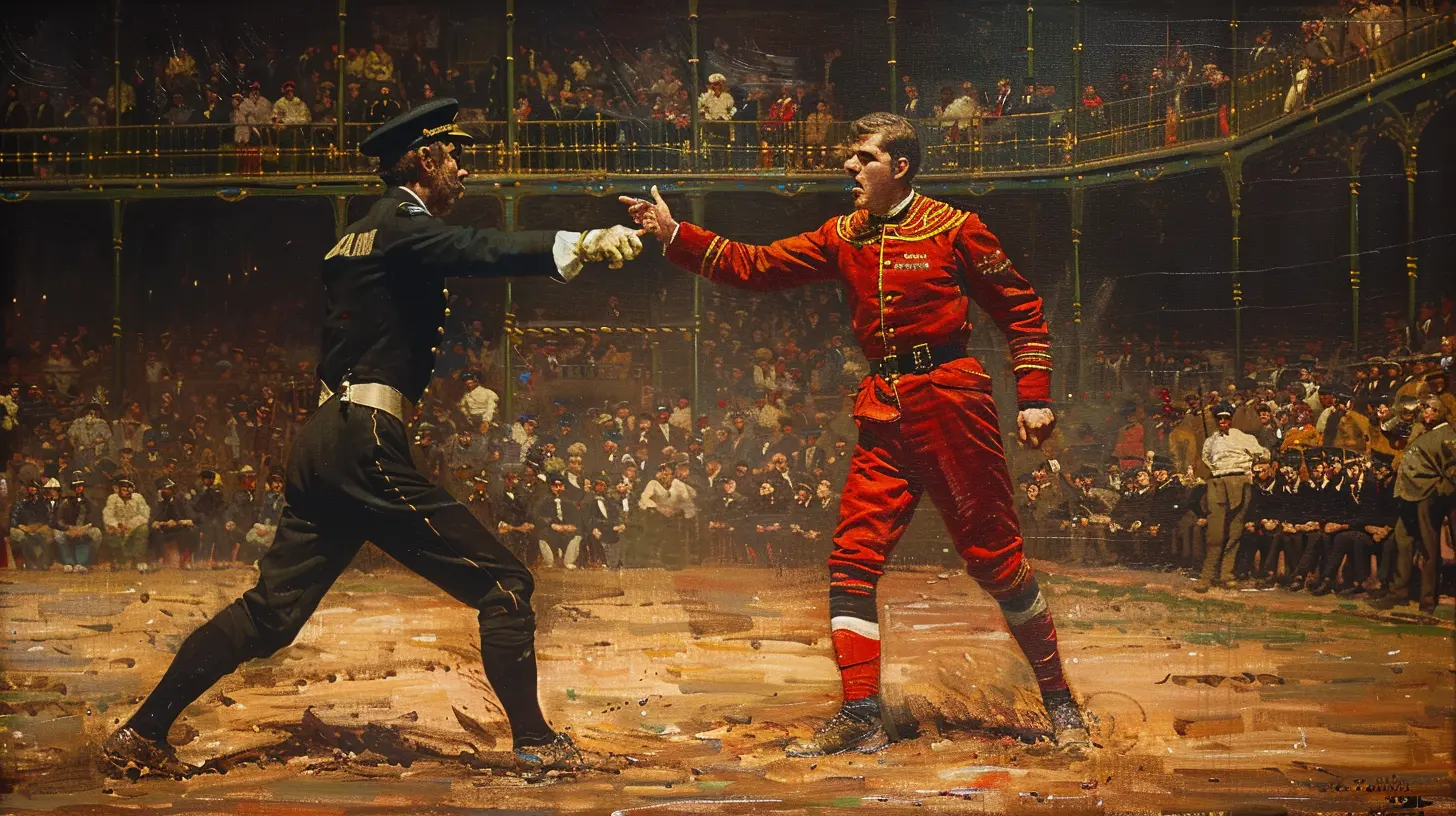
The Humble Beginnings: When Rules Were Just Suggestions
Sports didn’t always come with rulebooks and officials. In the early days, particularly during the 18th and early 19th centuries, most games were played informally. Think of it as a pick-up game at your local park — no one keeping score officially, and certainly no one to call a foul.In games like folk football (a chaotic ancestor of soccer), disputes were settled among players or by team captains. Yeah, talk about letting the inmates run the asylum! There were arguments, scuffles, and occasionally, full-on brawls.
It wasn’t until sports started gaining structure and becoming more organized that the need for a neutral figure — someone with no stake in the game — became painfully obvious.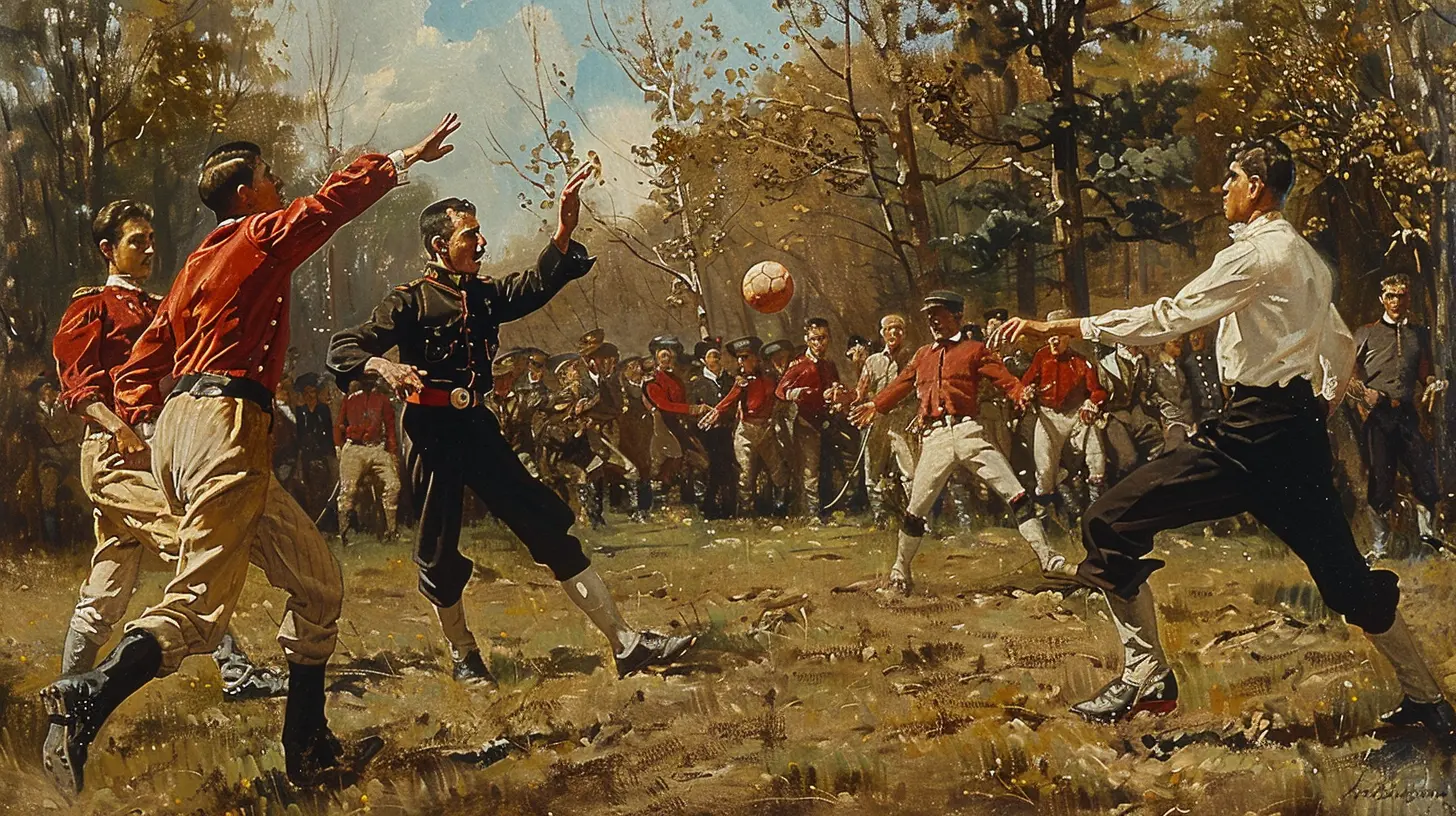
1800s: Enter the Referee
The word “referee” actually comes from the idea of someone being referred to when a dispute arises. Seems obvious now, right?In the mid-to-late 1800s, sports like soccer and rugby began developing official rules — known as the Laws of the Game. With the formalization of rules came the need for someone to enforce them. Initially, referees didn’t roam the field. Instead, they were just… standing there. Literally. Watching from the sidelines and only stepping in when captains appealed to them.
Crazy, isn’t it?
Eventually, this system proved slow and ineffective, especially as the speed and competitiveness of games increased. In 1891, soccer made a groundbreaking change — moving the referee onto the field full-time. This singular move changed the course of officiating forever.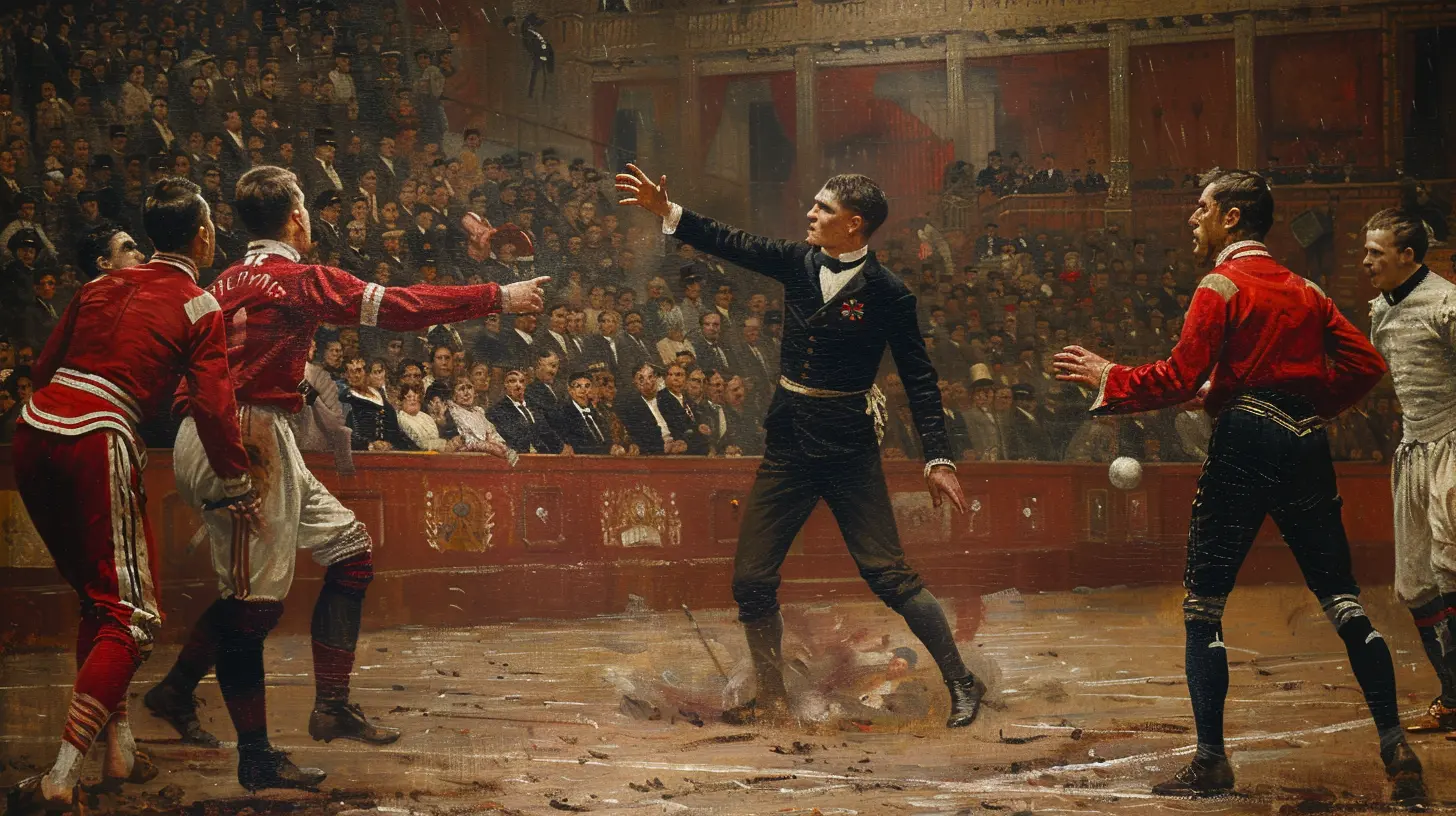
Early 20th Century: Whistles, Cards & Uniforms
By the early 1900s, referees began to establish an identity of their own. No longer just passive observers, they became central to the game.The introduction of the whistle — yeah, that iconic sound — gave referees a voice. Before that? They literally waved handkerchiefs. Imagine stopping a World Cup match with a piece of fabric. Not ideal.
In 1970, during the FIFA World Cup in Mexico, the referee’s toolkit expanded to include yellow and red cards. This visual system, inspired by traffic lights, allowed officials to clearly signal warnings (yellow) and dismissals (red). It was brilliant in its simplicity and instantly recognizable to fans, players, and coaches alike.
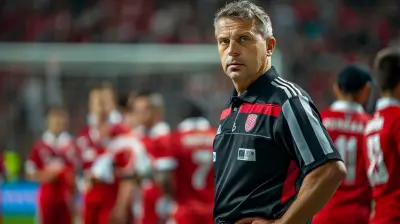
Also during this era, officials began wearing standardized uniforms. Gone were the days of wearing whatever was comfortable. Black shirts, black shorts, and crisp white socks became the referee’s armor.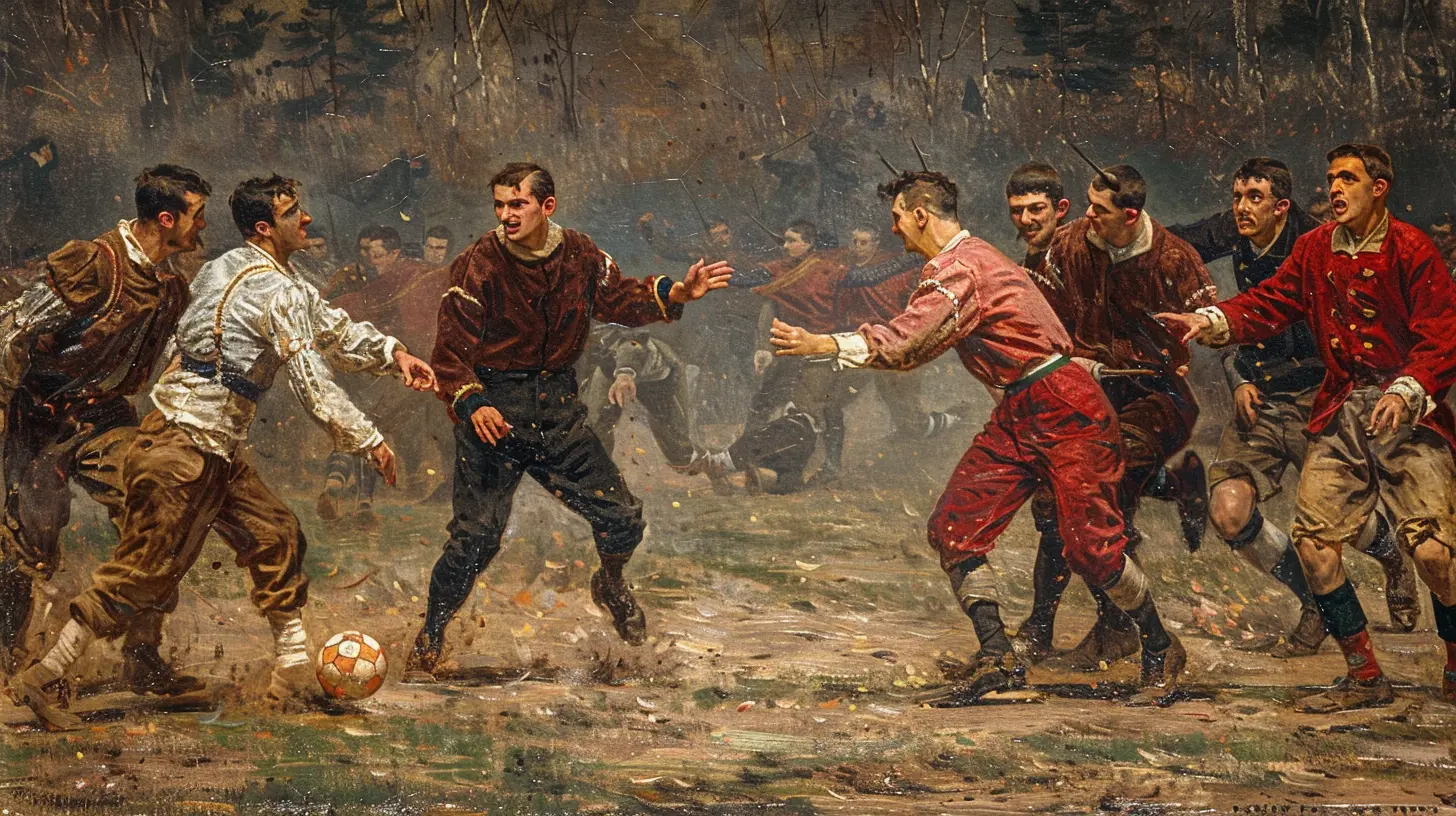
Referees Across Different Sports: Same Job, Different Tools
Refereeing isn't a one-size-fits-all gig. Depending on the sport, the role varies — but the goal remains the same: ensure fairness and enforce rules.? Basketball
In basketball, referees (called officials) are in constant motion, sprinting up and down the court. They call fouls, watch for violations, and help manage the shot clock. In the NBA, there are usually three officials: lead, trail, and center — kind of like a well-coordinated dance troupe.? American Football
NFL refs have a ton on their plate. Not only do they call penalties, but they also work in teams, each with a specific area to watch. Line judges, back judges, field judges — it’s like a well-oiled machine. Oh, and let’s not forget the iconic mic’d-up referee announcing penalties like Shakespeare in a helmet.⚾ Baseball
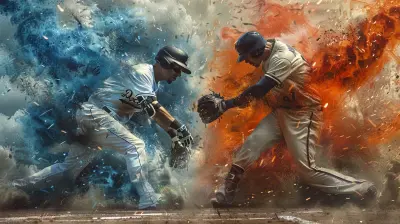
In baseball, umpires take the spotlight. Home plate umpires call balls and strikes, while base umpires watch for safe/out calls. Their position and demeanor? Stoic. Brutal. Focused.? Hockey
Hockey refs and linesmen not only have to keep up with blinding speed on ice skates (yeah, let that sink in), they also have to break up fights now and then. Talk about needing nerves of steel.The Tech Boom: Officiating Enters the Digital Age
Now, this is where things start to get really interesting.In recent decades, technological innovations have transformed the job of referees. With faster gameplay and bigger stakes, human eyes alone just weren’t cutting it. So, enter technology.
VAR (Video Assistant Referee)
Introduced in top-flight soccer leagues and eventually in the FIFA World Cup, VAR allows referees to review decisions via video. Goals, penalties, red cards — all up for second-guessing. It’s not without controversy (fans love to hate it), but it’s undeniably helped get more calls right.Hawk-Eye
Used in tennis and cricket, Hawk-Eye tracks the ball’s trajectory and produces those mesmerizing replays we all squint at during crucial points. It’s also used in soccer for goal-line technology — answering that age-old question: Did it cross the line?Wearable tech & communication devices
Today’s referees wear earpieces, use vibration alerts, and even have goal-line sensors stitched into their clothing. Communication between officials has gone from frantic waving to near-surgical precision through live audio feeds.Controversies and Challenges: The Human Element
Even with all this tech, refereeing isn’t perfect. And that’s okay — it’s still a human job.Refs have always been in the firing line, especially when they mess up. One wrong call can change the outcome of a game — or even define a player’s career. Remember the 2010 World Cup’s England vs. Germany match? The goal-that-wasn’t sparked a global call for better systems — and arguably paved the way for goal-line tech.
But here’s the thing: referees are doing one of the toughest jobs in sports. They make split-second decisions under immense pressure, and everyone — from fans to media — is watching their every move. Still, most of them do it for the love of the game.
Women in Refereeing: Breaking Barriers
Let’s give a big round of applause here. In recent years, more women have entered the world of officiating — and they’re crushing it.From Sarah Thomas becoming the first woman to officiate a Super Bowl to Stéphanie Frappart making history in men’s UEFA competitions, the glass ceiling has started to crack. These trailblazers are showing that good officiating knows no gender.
It’s not just progressive — it’s essential. More diversity in officiating brings fresh perspectives, more opportunities, and a richer sports culture.
Grassroots to Pro: The Referee’s Journey
Not every referee dreams of the World Cup or Super Bowl. But every elite ref starts at the bottom — youth games, local leagues, getting yelled at by parents (true story).It’s a grind. But those who persist, learn the nuances, and develop thick skin often rise through the ranks. Refereeing builds resilience, leadership, and nerves of steel. You’re out there alone, making judgment calls and standing by them.
Think of it like being the sheriff in a Wild West town. You don’t make the laws, but it’s up to you to enforce them.
What’s Next? The Future of Refereeing
We’re just scratching the surface when it comes to tech in officiating. In the coming years, we could see AI-driven decision support, real-time player tracking, and even augmented reality helping referees make calls.Could we ever see a game without human referees at all?
Maybe — but don’t hold your breath. Part of what makes sports beautiful is the human element. The flaws. The errors. The emotion.
Technology should assist — not replace — the passion and instinct that seasoned referees bring to the pitch, court, or field.
Why Referees Deserve More Love
Let’s end on this note: referees catch a lot of heat. From social media tirades to pitch-side abuse, they’re often painted as the villains of the story.But the truth is, they're heroes in stripes. Without them, every game would descend into chaos. They uphold the integrity of sports, often for very little reward beyond love for the game.
So the next time you're frustrated by a call, take a deep breath, maybe throw a pillow (softly), and remember — they’re doing their best.
And hey, without them, there’s no game.
all images in this post were generated using AI tools
Category:
RefereeingAuthor:

Umberto Flores
Discussion
rate this article
2 comments
Payton Conrad
Refereeing has evolved from shadows to spotlight, yet whispers of bias linger. What secrets do the early days hold, and how will technology redefine the game's integrity?
July 14, 2026 at 11:33 AM
Umberto Flores
The early days of refereeing were marked by personal judgment and often lacked transparency. As technology advances, it has the potential to eliminate biases and enhance fairness, but it also raises new challenges in maintaining trust and integrity.
Harmony Cummings
Refereeing has evolved significantly, blending tradition with technology to enhance fairness in sports.
May 16, 2026 at 4:16 AM