The Quest for Bragging Rights in 2027: What's Next for Top Feuds?
6 October 2026
Rivalries are the engine of sports. They sell tickets, drive television ratings, and give fans something to argue about at work on Monday morning. But the landscape of athletic feuds is shifting. The old model, where two athletes circled each other for years and settled things in a single era-defining match, is being replaced by something messier and more fragmented. As we look toward 2027, the question is not whether rivalries will still matter. It is how they will be built, sustained, and monetized in a sports world that has changed dramatically.
This article examines what is coming next for the biggest feuds across major sports. It looks at the forces reshaping rivalries, the mistakes promoters and athletes keep making, and the practical decisions that will determine who owns the bragging rights when 2027 arrives.
Why Rivalries Are Getting Harder to Build
Twenty years ago, a rivalry had a simple architecture. Two athletes in the same league, competing in the same weight class or the same division, faced each other repeatedly. The narrative wrote itself. Today, that architecture has cracked.Free agency moves stars between teams at a pace that makes long-term feuds rare. Weight classes and divisions shuffle as athletes chase favorable matchups. Social media lets competitors trade insults without ever stepping into the same arena. The result is a paradox: more talk, less substance.
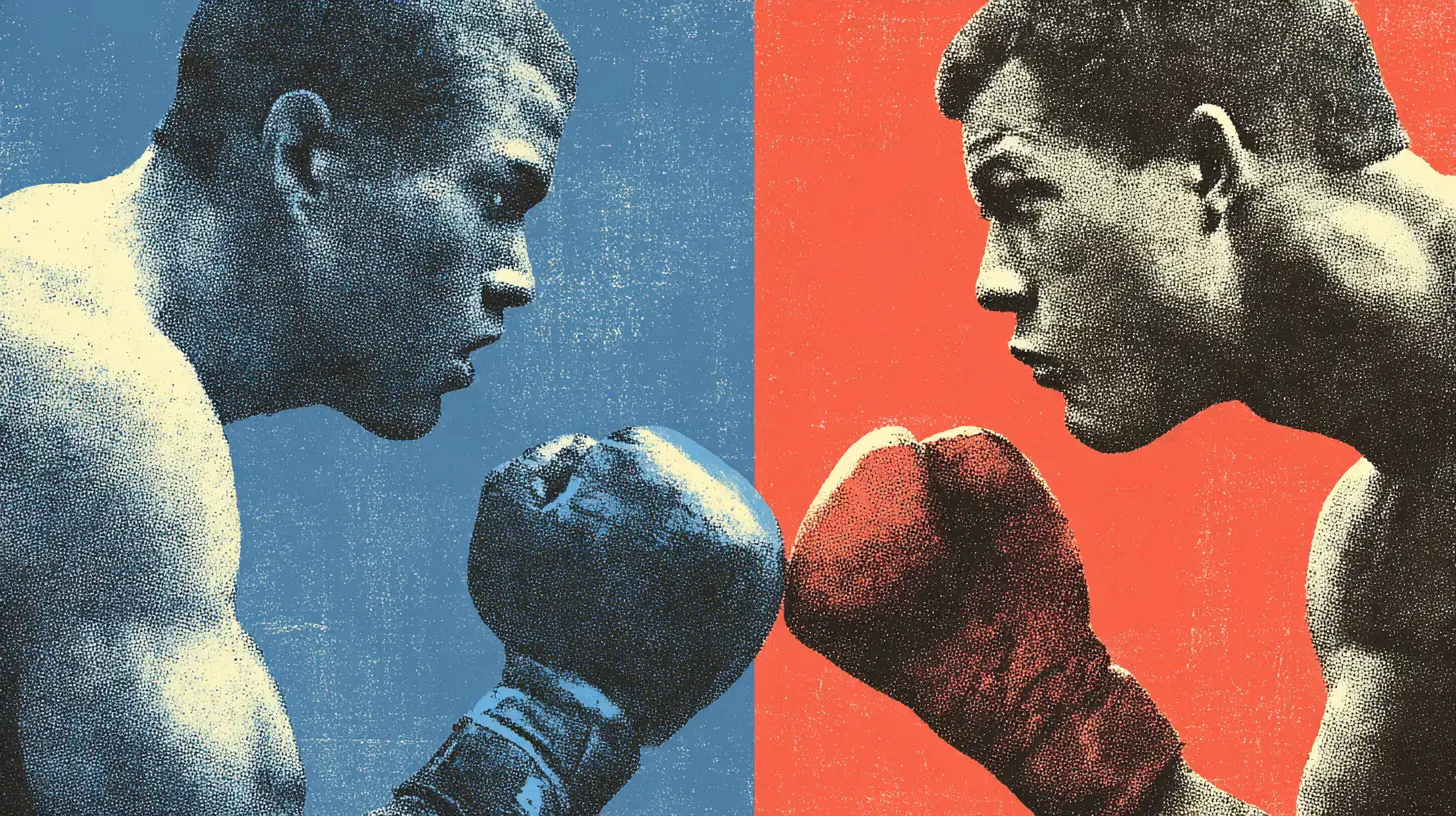
Consider boxing. For decades, the heavyweight division produced rivalries that defined entire generations because the best fighters had no choice but to face each other. Today, promotional politics, broadcast deals, and sanctioning body rules often keep the best fighters apart for years. Fans get frustrated, and the rivalry loses heat before it ever reaches its peak.
The same pattern shows up in mixed martial arts. Fighters call each other out constantly, but the actual fights can take eighteen months to materialize. By then, the public has moved on. This is not a failure of individual athletes. It is a structural problem, and it will shape how rivalries develop through 2027.
The Three Forces Reshaping Feuds
To understand what is next, you have to understand the forces at work. Three stand out.1. The Attention Economy
Athletes are now content creators whether they want to be or not. A single post can generate more engagement than a full press tour. This changes the incentive structure. Why spend months building tension through traditional media when you can manufacture a moment online in minutes?The trade-off is real. Online feuds generate short-term buzz but rarely build the kind of lasting emotional investment that makes a rivalry unforgettable. Fans remember Ali and Frazier because of what happened in the ring, not because of what was said before it. The athletes who understand this distinction will build the rivalries that matter in 2027.
2. Cross-Promotion and Crossover Events
We are already seeing more crossover between sports and entertainment. Boxers fight YouTubers. Basketball players appear at wrestling events. Soccer clubs tour foreign markets and pick up local rivals along the way.This trend will accelerate. By 2027, expect to see more formal crossover feuds, where athletes from different disciplines agree to compete under a shared ruleset or in a series of exhibition events. These are lucrative, but they carry risk. If the competition feels staged, fans will reject it. The ones that succeed will be those where genuine competitive stakes exist.
3. Data and Matchmaking
Analytics have transformed how teams and promoters evaluate talent. In individual sports, data now plays a role in deciding which matchups get made. A promoter can look at engagement metrics, betting odds, and historical performance to predict which rivalry will draw the biggest audience.This sounds efficient, but it can backfire. Over-optimizing for data can produce matchups that look good on paper but lack emotional resonance. The best rivalries often emerge organically, from genuine conflict or contrasting personalities. Data can identify them, but it cannot create them.
Sport-by-Sport: What to Watch
Different sports will handle the 2027 rivalry landscape in different ways. Here is a breakdown of what to expect.Boxing: The Unification Problem
Boxing has the most to gain and the most to lose. The sport's fragmented title structure means there are often four or five "champions" in a single division. Unification fights are the natural home of great rivalries, but they are hard to make.By 2027, expect two developments. First, more fights will be staged in the Middle East and other markets willing to pay enormous site fees. This changes the atmosphere but also removes some of the home-crowd tension that fuels rivalries. Second, expect more multi-fight deals between promoters, which could finally clear the political logjams that have kept top fighters apart.
The risk is that boxing becomes a series of one-off spectacles rather than a coherent competitive ecosystem. If that happens, rivalries will feel disposable. The fighters who build genuine grudges and settle them in the ring will stand out.
MMA: The Rise of the Grand Prix
Mixed martial arts has experimented with tournament formats for years, and the results have been mixed. But the format has a clear advantage: it forces the best fighters to face each other. No politics, no ducking. You win, you advance.By 2027, expect more promotions to adopt grand prix structures, especially in divisions where the champion is dominant and contenders are stuck in limbo. Tournaments create natural rivalries because fighters share a bracket. They train for each other, study each other, and often develop real animosity.
The downside is wear and tear. Fighters who compete three or four times in a year risk injury and burnout. Promotions will need to balance the excitement of a tournament against the long-term health of their roster.
Team Sports: The Playoff Rivalry
In leagues like the NBA, NFL, and European soccer, rivalries are built through repeated playoff meetings. The Celtics and Lakers became legendary because they met in the finals so many times. The same dynamic applies today.The challenge is parity. League rules designed to promote competitive balance mean dynasties are harder to sustain. That is good for the league but bad for rivalry-building. If a different team wins every year, no single feud captures the public imagination.
By 2027, expect leagues to lean harder into divisional and geographic rivalries. These are easier to sustain because they do not depend on both teams being elite at the same time. A bad team can still hate its neighbor.
Individual Sports: Tennis, Golf, and Beyond
Tennis has struggled to produce a rivalry as compelling as the Federer-Nadal era. The reason is simple: the next generation has been inconsistent. Players rise, fall, and rise again, but few sustain excellence long enough to build a multi-year feud.Golf is a different story. The emergence of rival tours has created genuine tension, and by 2027, the question of which tour hosts the best players will likely be settled one way or another. If the tours merge or reach a truce, the rivalry will fade. If they remain separate, the feud will intensify.
The lesson here is that rivalries need stability. Without a consistent cast of characters at the top, feuds cannot take root.
Common Mistakes in Rivalry Building
Promoters, athletes, and media outlets make predictable errors when trying to manufacture or sustain rivalries. Here are the ones to avoid.Mistake 1: Confusing Conflict with Competition
Trash talk is not a rivalry. A rivalry requires stakes. If two athletes insult each other but never compete, the public stops caring. The conflict must be resolved in competition, and the competition must matter.Mistake 2: Overexposure
Familiarity breeds contempt, but it can also breed boredom. If two athletes fight four times in two years, the fifth fight feels redundant. Promoters should space out marquee matchups and let tension build.Mistake 3: Ignoring the Story
Fans need a narrative. They need to understand why this matchup matters, what is at stake, and what each athlete represents. Promoters who skip this step are leaving money and meaning on the table.Mistake 4: Letting Politics Trump Competition
This is the biggest issue in combat sports. When the best fighters do not face each other because of promotional or broadcast disputes, the entire sport suffers. Fans are not stupid. They know when they are being denied the matchups they want.Best Practices for the Next Era
So what should athletes, promoters, and leagues do to build rivalries that last? Here are practical recommendations.Prioritize Stakes Over Noise
A rivalry should be about something. A title, a legacy, a spot in history. When the stakes are clear, the conflict feels real. When they are not, it feels like theater.Let Athletes Be Themselves
Forced personas are transparent. Fans can tell when an athlete is playing a role. The most compelling rivalries feature people who are genuinely different, not people pretending to be different.Build Through Repetition, Not Saturation
Two fights can be enough if they are the right two fights. Three is often the sweet spot. Beyond that, diminishing returns set in. Promoters should think in terms of arcs, not endless rematches.Use Data as a Tool, Not a Crutch
Analytics can tell you which matchups will draw. They cannot tell you which matchups will matter. Use data to inform decisions, but trust the human elements: personality, timing, and genuine conflict.Protect the Integrity of Competition
The moment fans suspect a rivalry is scripted or a fight is fixed, the entire enterprise collapses. Integrity is the foundation. Without it, nothing else works.
What 2027 Might Actually Look Like
Predicting the future is a fool's game, but patterns matter. Based on current trends, here is what we can reasonably expect by 2027.Combat sports will be more global, with marquee events spread across multiple continents. This will create new rivalries but also dilute the local passions that fuel the best feuds. Promoters will need to work harder to build emotional connections with audiences who may never attend an event in person.
Team sports will continue to lean on geographic and divisional rivalries. Expect more themed weeks, more trophy games, and more marketing around historical grudges. The challenge will be keeping these fresh when rosters turn over every few years.
Individual sports will struggle to produce transcendent rivalries unless a small group of athletes sustains excellence over multiple seasons. Tennis and golf are both due for a defining feud. Whether it arrives by 2027 depends on factors no one can control.
One thing is certain: bragging rights will still matter. The human desire to prove superiority is not going away. The question is whether the structures around sports will allow that desire to express itself in compelling ways.
The Role of Fans
It is worth remembering that rivalries are not just built by athletes and promoters. Fans play a role too. The chants, the memes, the arguments at the bar. All of it contributes to the mythology of a feud.In the coming years, fans will have more power than ever. Social media gives them a direct line to athletes and promoters. If they demand a matchup, they can make it happen. If they reject a manufactured feud, they can kill it.
This is a double-edged sword. Fan pressure can force great fights. It can also create toxic environments that drive athletes away. The healthiest rivalries are those where fans are passionate but respectful, invested but not abusive.
Final Thoughts
The quest for bragging rights in 2027 will not be won by the loudest trash talk or the biggest social media following. It will be won by the athletes, promoters, and leagues who understand that rivalries are built on three things: genuine competition, meaningful stakes, and consistent storytelling.The sports world is changing fast. Attention spans are shorter, options are more numerous, and the old ways of building feuds are fading. But the fundamentals remain. People want to see the best compete against the best. They want to feel something when the final whistle blows or the last punch lands.
The rivalries that define 2027 will be the ones that remember this. They will be built patiently, with respect for the craft and the audience. They will be settled in competition, not in press conferences. And they will give fans something to argue about for years to come.
That is what bragging rights are really about. Not the trophy, not the paycheck, but the knowledge that when it mattered most, you were better. That is a feeling no amount of marketing can manufacture. It has to be earned.
all images in this post were generated using AI tools
Category:
Sports RivalriesAuthor:

Umberto Flores