The Role of Big Data Analytics in Modern Sports
21 March 2026
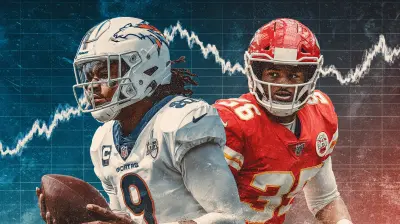
Big data analytics has revolutionized almost every industry. But, when it comes to sports, the impact feels even more profound. In recent years, data has grown from a behind-the-scenes tool to something at the forefront of decision-making, strategy, and performance enhancement in sports. It’s not just about numbers and spreadsheets anymore—it's about gaining a competitive edge, improving player performance, and even enhancing fan engagement.
So, how exactly is big data analytics shaping the world of sports? Let’s dive in.

What Exactly Is Big Data in Sports?
Before we get too deep, let’s break it down. Big data refers to massive volumes of data that can be structured or unstructured. In sports, this data can come from a wide range of sources. Think about all the stats you see on television during a game—shot percentages, player movement, time in possession, sprint speeds, and more. That’s all data being collected, analyzed, and interpreted.But it doesn’t stop there. Wearable technology, GPS tracking, video analysis, and real-time performance metrics have taken things to a whole new level. The data collected is so vast that traditional data processing methods won't cut it. This is where advanced analytics comes in—making sense of the flood of information and turning it into something actionable.

A Game-Changer for Team Strategy
Gone are the days when team strategies were based solely on the coach’s gut feeling or intuition. Today, big data allows teams to build game plans based on precise, data-driven insights. Coaches can monitor player performance and adjust tactics in real time.Player Performance Tracking
One of the biggest impacts of data analytics has been in analyzing individual player performance. With GPS systems and wearable technology, coaches can track a player’s every move—literally. How far did they run? How fast was their top speed? How many sprints did they complete during a match?This data is pure gold for coaches. It doesn't just help them optimize training sessions but also ensures players aren't overworked, reducing the risk of injuries. If a player has been covering too much ground or showing signs of fatigue, this data can alert the coaching staff to make adjustments.
Opponent Analysis
Data analytics also gives teams a better understanding of their opponents. By analyzing game footage and player statistics, teams can identify patterns, strengths, and weaknesses. For example, a coach might find out that a rival team tends to falter defensively in the final 15 minutes of a game, which could lead to a more aggressive offensive strategy during that period.In the same way, a player’s tendencies can be dissected. If a soccer forward prefers to cut inside and shoot on their right foot, defenders can be trained to push them out wide, limiting their scoring chances. The days of purely instinctive play are over— now, it’s more like chess, with every move calculated.

Recruiting and Scouting: Finding the Next Star
Big data isn’t just changing how games are played—it’s also transforming how teams find talent. Remember the movie Moneyball? It was one of the first mainstream examples of how data analytics could revolutionize sports. Scouts no longer rely solely on what they see with their eyes; they use data to back it up.Data-Driven Scouting
Thanks to big data, scouts can now analyze thousands of players across the globe without even attending a game. Video analysis, performance metrics, and even social media interactions can provide a more complete picture of a player. Does a basketball player consistently make three-pointers under pressure? Does a soccer player have a high work rate across 90 minutes?This data can help teams find hidden gems—players who might not look as impressive to the naked eye but have the underlying stats that suggest they could become stars.
Predicting Future Success
What’s even more exciting is the ability to predict a player’s future success. By analyzing historical data and performance trends, analysts can project how a player’s career might pan out. They can see whether a young athlete is likely to improve or if an aging star is on the decline. This helps teams make smarter decisions when it comes to contract negotiations or trades.
Injury Prevention and Recovery
Injuries are a nightmare for any athlete or team. A single injury can derail a season or even a career. But big data is helping to reduce that risk. Using real-time data from wearable tech and performance tracking, teams can monitor players for signs of fatigue or overuse, which are often precursors to injury.Predictive Injury Analytics
By analyzing data from previous injuries and recovery times, teams can anticipate when a player is more likely to get injured. For example, if a player’s sprint speed has dropped over the past few games, it could indicate muscle fatigue, which increases the risk of a hamstring injury. Knowing this, coaches can adjust training loads, give the player a rest day, or substitute them during a match to prevent serious injury.Recovery Optimization
Injury recovery is another area where data analytics shines. By tracking a player’s recovery process, teams can ensure that they’re not returning to action too early. Physical therapists and sports scientists can monitor everything from heart rate to muscle activity, ensuring that when a player returns to the field, they’re fully recovered and not at risk of re-injury.Fan Engagement: Personalizing the Experience
Big data isn’t just for coaches and teams—fans are benefiting too. Sports organizations are using data analytics to enhance the fan experience, making it more personalized and engaging.Tailored Content
Ever notice how your favorite sports app seems to know exactly which highlights you want to watch or which articles you’d be interested in reading? That’s thanks to big data. By analyzing your viewing habits, browsing history, and even social media interactions, teams and media companies can serve you content that’s tailored to your preferences. It’s like having your own personal sports assistant.In-Stadium Experience
Data analytics is also making the in-stadium experience more enjoyable. From improving traffic flow to predicting concession stand demand, big data ensures that fans have a smooth and enjoyable experience from the moment they step into the stadium. Some venues even use data to predict which songs to play during breaks or which moments to show on the big screen to maximize crowd engagement.Fantasy Sports and Betting
Let’s not forget how big data has revolutionized fantasy sports and sports betting. With access to more stats and player data than ever before, fans can make more informed decisions when setting their fantasy lineups or placing a bet. Advanced metrics like expected goals (xG) in soccer or player efficiency rating (PER) in basketball give fans deeper insights, bringing them closer to the action.
The Future of Big Data in Sports
So, what's next? The role of big data in sports is only going to grow. As technology advances and more data becomes available, teams, players, and fans will continue to benefit from the insights that data analysis provides.AI and Machine Learning
Artificial intelligence (AI) and machine learning are poised to take sports data analytics to the next level. These technologies can analyze massive datasets in seconds, identifying patterns and trends that would be impossible for a human to spot. For example, AI could be used to simulate future games, predicting outcomes based on historical data and current performance levels.Virtual Reality and Augmented Reality
Imagine watching a game from the perspective of your favorite player or getting real-time stats overlaid on your screen as you watch the match. Virtual reality (VR) and augmented reality (AR) are making that a reality. By combining big data with these technologies, fans can expect even more immersive and interactive experiences.Ethical Considerations
Of course, with great power comes great responsibility. As data analytics advances, there will be ethical questions to address. For example, how much data is too much? Should players have a say in what data is collected and how it’s used? These are just some of the challenges that the sports world will have to navigate in the coming years.Conclusion: The Data-Driven Revolution
There’s no denying it—big data is changing the game, quite literally. From improving player performance and reducing injuries to enhancing fan engagement and making smarter business decisions, the role of big data analytics in modern sports is undeniable. We’ve only scratched the surface of what’s possible, and as technology continues to evolve, so too will the ways in which data is used to shape the future of sports.So, the next time you’re watching a game, remember—there’s more going on behind the scenes than just a coach and a whistle. Data is driving the action, and it’s only going to get bigger from here.
all images in this post were generated using AI tools
Category:
Sports InnovationsAuthor:

Umberto Flores
Discussion
rate this article
2 comments
Aria Pacheco
Game-changing insights ahead!
April 12, 2026 at 3:26 AM
Umberto Flores
Thanks for your enthusiasm! I hope you find the insights valuable.
Raleigh Lopez
Big data: making coaches smarter and athletes slightly dizzy!
March 21, 2026 at 5:32 AM
Umberto Flores
I'm glad you found the article engaging! Big data truly does bring a mix of insights and challenges in the sports world.