The Role of Muscle Memory in Speeding Up Rehabilitation
8 November 2026
Rehabilitation can often feel like an endless cycle of frustration, physical therapy sessions, and the nagging fear of never returning to peak performance. But what if I told you that your body might have a built-in cheat code? Enter muscle memory, that elusive concept that sounds like something out of a sci-fi movie but is actually a key player in your recovery process. Buckle up, because we're diving into the world of muscle memory and how it can speed up your rehabilitation journey.

What is Muscle Memory Anyway?
Muscle memory is like that friend who always remembers your birthday, even when you forget theirs. It's not just about your muscles "remembering" how to lift weights or run fast. It's a complex interaction between your brain, nervous system, and muscles. When you perform a physical activity repeatedly, your brain creates neural pathways that make it easier to execute those movements in the future. So, even after a break-thanks to an injury or a long vacation-you might find that your body can bounce back quicker than you'd expect.The Science Behind It
When you practice a skill, your brain and body work together to streamline that activity. Neurons fire in specific patterns, and over time, these patterns become more efficient. This is why a seasoned athlete can perform complex movements with seemingly little effort. They've trained their bodies to react almost instinctively. For example, think about a basketball player shooting hoops. After countless hours of practice, their body knows exactly how to position itself, how much force to apply, and when to release the ball.But here's the kicker: muscle memory isn't just about physical strength. It also involves coordination, timing, and even psychological factors like confidence. So, when you're recovering from an injury, tapping into this muscle memory can help you regain your former skills faster.
The Rehabilitation Process: A Necessary Evil
Let's face it: nobody enjoys rehabilitation. It's often a tedious process filled with exercises that seem to do little more than test your patience. But understanding the role of muscle memory can make this journey a bit more bearable-and effective.The Importance of Early Intervention
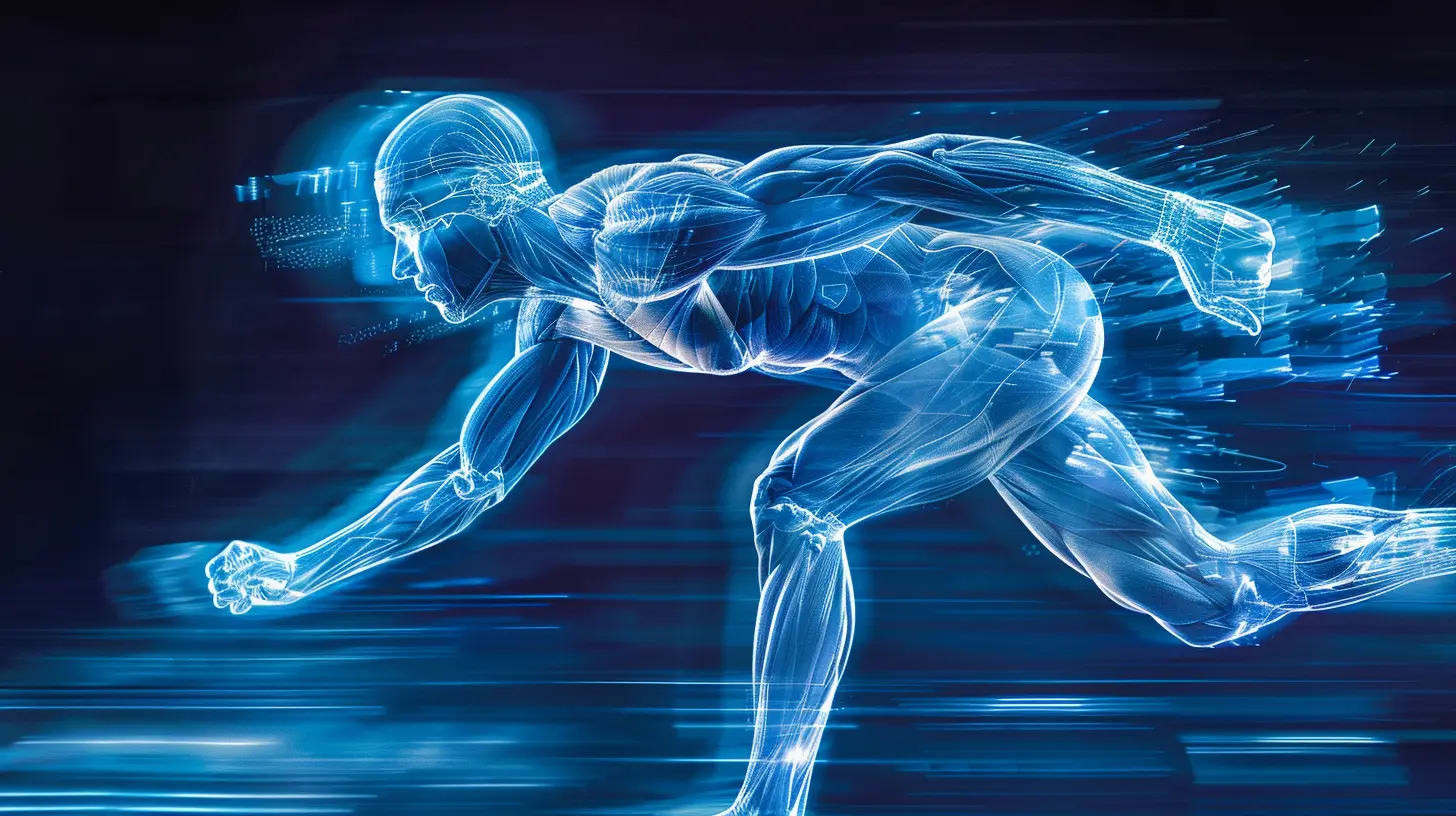
Research suggests that starting rehabilitation as soon as possible after an injury can significantly enhance recovery. This is where muscle memory comes into play. Early intervention helps maintain those neural pathways and muscle connections that you've built over time. The longer you wait, the more those pathways can become rusty.For example, consider a sprinter who suffers a hamstring injury. If they begin rehabilitation immediately, they can work on flexibility and strength exercises that keep their muscles engaged. This not only aids in faster recovery but also helps to maintain their speed and agility-key components of their sport.
Common Mistakes in Rehabilitation
Ah, the classic blunders. In the world of rehabilitation, there are plenty to go around. One common mistake is the "all or nothing" mentality. Athletes often feel pressured to jump back into their routine at full intensity, which can lead to re-injury. It's essential to recognize that muscle memory doesn't mean you can skip the basics.Instead, focus on gradual progression. Start with low-impact activities and slowly increase intensity as you gain strength and confidence. Think of it like building a house: you need a solid foundation before adding the fancy roof.
The Role of Specificity in Training
When it comes to rehabilitation, specificity is key. This means that the exercises you perform should closely mimic the movements you'll be doing in your sport. For instance, if you're a soccer player recovering from a knee injury, your rehab should include drills that replicate kicking, sprinting, and changing direction.Practical Application of Muscle Memory
Let's take a look at a real-world example. Imagine a tennis player who has undergone shoulder surgery. Their rehab program might include rotator cuff exercises, but it should also incorporate tennis-specific movements. By practicing those strokes-even at a reduced intensity-they can reinforce muscle memory and prepare their body for the demands of the sport.The Balance Between Rest and Activity
One of the biggest challenges in rehabilitation is finding the right balance between rest and activity. While it's crucial to give your body time to heal, complete immobilization can be detrimental. It's like trying to learn to ride a bike without ever getting on one.Active recovery, which involves low-impact movements, can help maintain muscle memory without straining the injured area. For example, a runner with a foot injury might use a stationary bike to keep their legs moving while avoiding impact. This allows them to stay engaged in their training and retain some level of fitness, making the transition back to running smoother.

The Psychological Aspect of Muscle Memory
Let's not ignore the mental game. Rehabilitation can be just as much about the mind as it is about the body. Athletes often face psychological hurdles, such as fear of re-injury or loss of confidence. This is where muscle memory can be a double-edged sword.Building Confidence Through Familiarity
When you return to a familiar movement, muscle memory can help alleviate some of that anxiety. The more you practice, the more confident you become. For instance, if a gymnast is recovering from an ankle injury, performing basic routines can help them regain their sense of balance and control.Visualization Techniques
Another powerful tool in the psychological toolbox is visualization. Athletes can mentally rehearse their movements, reinforcing those neural pathways even when they're not physically practicing. Research shows that mental practice can enhance performance and aid in recovery. So, while you're sitting on the couch, you could be visualizing your comeback.The Power of Cross-Training
Cross-training is like adding spice to your rehabilitation dish. It keeps things interesting and can help maintain your overall fitness while focusing on recovery. Engaging in different activities can stimulate muscle memory in various ways, allowing you to stay active without overloading the injured area.Finding the Right Balance
However, it's essential to choose cross-training activities that won't exacerbate your injury. For example, a swimmer with a shoulder injury might focus on lower-body exercises like cycling or running. This way, they can maintain cardiovascular fitness while allowing their shoulder to heal.
The Trade-Offs of Muscle Memory
While muscle memory can be a powerful ally in rehabilitation, it's not a magic bullet. There are trade-offs to consider.The Risk of Overconfidence
One of the biggest pitfalls is overconfidence. Just because your body remembers how to perform a movement doesn't mean it's ready to do so at full intensity. Athletes often rush back into their routines, thinking that muscle memory will carry them through. This can lead to re-injury or even new issues.The Need for Patience
Rehabilitation is not a race. It requires patience, dedication, and a willingness to listen to your body. Muscle memory may speed up the process, but it doesn't eliminate the need for proper recovery.Best Practices for Leveraging Muscle Memory in Rehabilitation
So, how can you make the most of muscle memory in your rehabilitation journey? Here are some best practices:1. Start Early: Engage in rehabilitation as soon as possible to maintain those neural pathways.
2. Focus on Specificity: Tailor your exercises to mimic the movements you'll be doing in your sport.
3. Incorporate Active Recovery: Find low-impact activities that keep you engaged while allowing your body to heal.
4. Use Visualization: Mentally rehearse movements to reinforce muscle memory.
5. Cross-Train Wisely: Choose activities that won't aggravate your injury but will keep you fit.
6. Listen to Your Body: Be aware of your limits and avoid rushing back into full intensity.
Conclusion
Muscle memory is a fascinating aspect of rehabilitation that can significantly influence your recovery process. By understanding how it works and how to leverage it, you can navigate the often frustrating world of rehabilitation with greater ease. Remember, it's not just about getting back to where you were; it's about doing so safely and effectively. So, embrace the journey, trust the process, and let muscle memory be your guide.
all images in this post were generated using AI tools
Category:
Recovery And RehabAuthor:

Umberto Flores