The Role of Referees in Preventing Cheating and Unsportsmanlike Behavior
8 May 2026
Let’s face it — we all love sports. Whether it’s the roaring crowd in a packed stadium or a group of friends battling it out on a neighborhood court, there’s something magical about the competition. But what keeps the magic alive? What ensures that each player follows the rules and the outcome isn't just about who breaks them best?
Enter the often underappreciated heroes of every sporting event — referees.
Yep, those folks in the stripes or headsets who often get booed for making tough calls? They’re actually one of the biggest reasons we even have fair play in the first place. Referees play a massive role in preventing cheating and unsportsmanlike behavior, and honestly, it’s about time we gave them their due credit.
Why Referees Matter More Than We Think
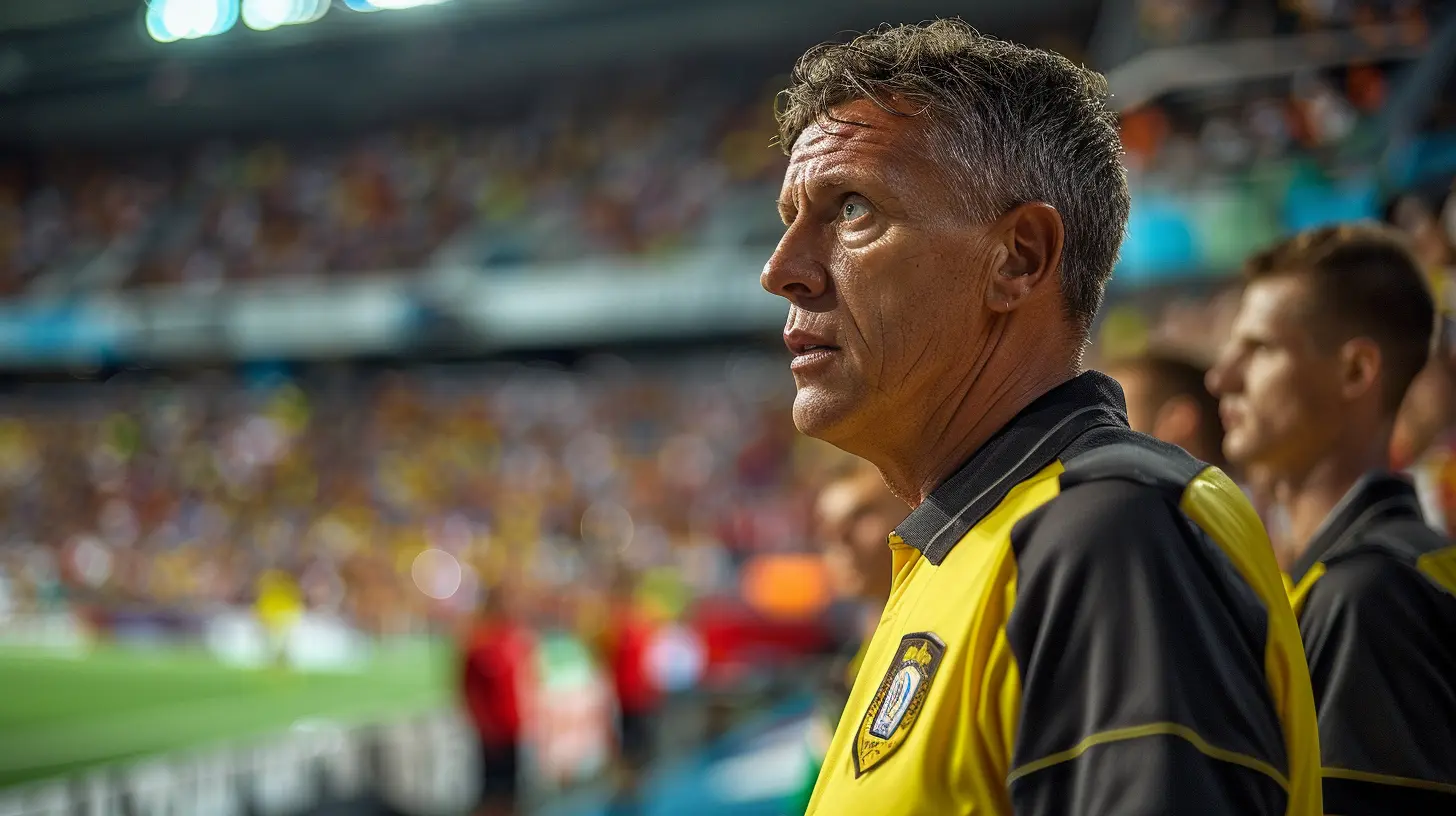
Let’s start with the basics. Referees are the people responsible for enforcing the rules of the game. Sounds simple, right? But in reality, it’s anything but.Imagine trying to keep your eye on ten players running full-speed, all while making split-second decisions that could change the course of a game. Now throw in thousands of fans screaming, coaches yelling from the sidelines, and players pushing the limits of every rule possible. That’s a day in the life of a referee.
Without them, sport would descend into chaos. It’d be less like a competitive game and more like a bar brawl in sneakers.
Guardians of Fair Play
Referees are the gatekeepers of fairness. Every sport has rules — some straightforward, some incredibly complex — and it's the referee’s job to apply those rules consistently.They stop players from gaining unfair advantages, stepping in when someone breaks the code of the game, whether it's a sneaky handball in soccer or an illegal screen in basketball. Every whistle they blow is a statement that cheating won’t slide on their watch.
How Referees Deter Cheating
Let’s talk dirty — cheating. It happens in all sports, from the amateur leagues to the professional stage. So how do referees crack down on it?Presence Is Power
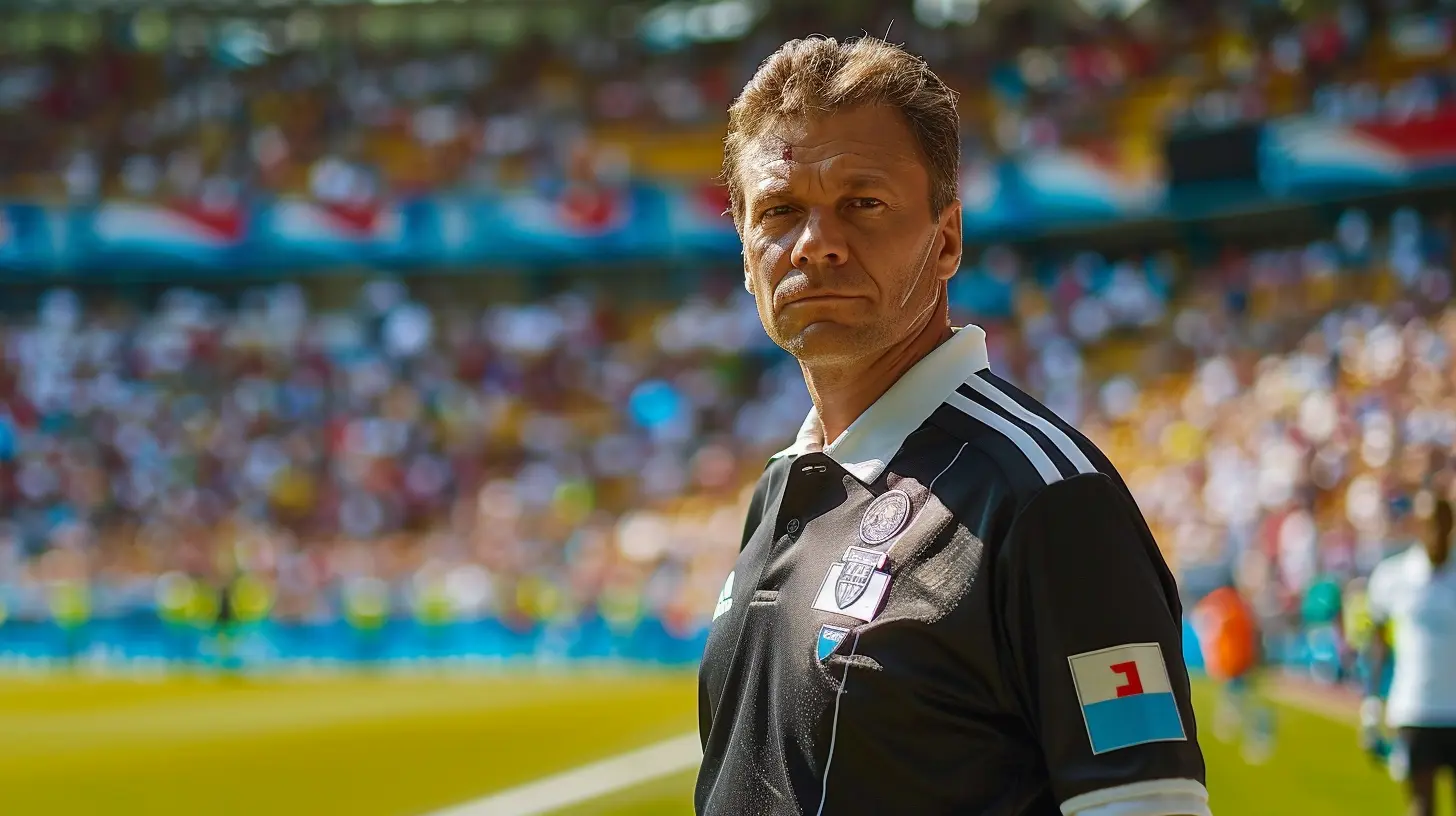
Sometimes just knowing the ref is watching is enough to keep players straight. Think back to your school days — remember when you acted way more civilized when the teacher walked in? Same principle applies here. The presence of an authoritative figure keeps players on their toes.Referees are the eyes of justice on the field. If a player knows there's a sharp set of eyes scanning every move, they’re way less likely to try sneaky fouls, subtle dives, or under-the-radar pulling and shoving.
Instant Consequences
One of the most effective tools referees carry? Immediate penalties. Yellow cards, red cards, fouls, free throws, or time in the penalty box — all are real-time consequences that remind players that cheating has a price.It's like the traffic cop who pulls you over when you try to beat the red light. That fine? Yeah, it makes you think twice next time.
Consistency Builds Credibility
When referees apply rules consistently, players and coaches are more likely to respect them. And guess what? That consistent standard also sets the tone for the whole game. Players start respecting the boundaries because they know the line isn’t going to move just because someone complained loud enough.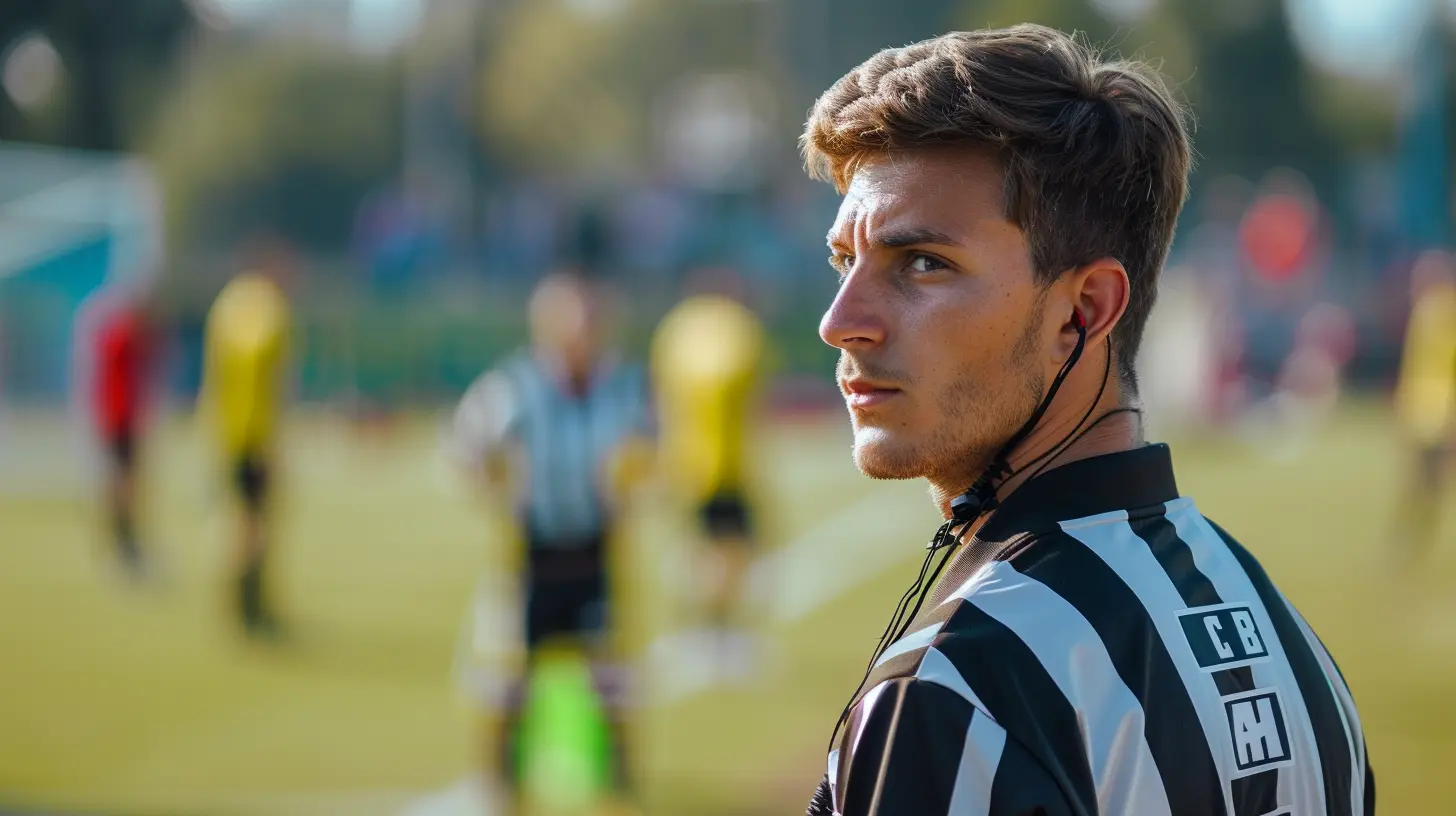
Stopping Unsportsmanlike Behavior Before It Starts
Not all rule-breaking is as obvious as cheating. Unsportsmanlike conduct — jawing with opponents, trash-talking referees, unnecessary roughness — can be harder to spot, but it’s just as damaging to the game’s integrity.Here's how refs play the crucial role of moral compass.
Setting the Tone Early
Good referees don’t just react — they set expectations early on. A firm early warning or a quick foul call can immediately tell players, “Hey, we’re not doing that today.” That early tone-setting keeps the match from boiling over later.Think of it like a teacher laying down the ground rules on day one. It makes the rest of the semester — or in this case, the game — run a lot smoother.
Communication Skills Matter
Believe it or not, refs aren't just whistle-blowing robots. The best ones have excellent communication skills. They know when to talk to players, how to defuse tensions, and how to explain a call without escalating things.Sometimes, a calm, clear explanation is all it takes to turn a heated confrontation into a learning moment. That’s some next-level conflict resolution right there.
No Favorites, No Bias
You want to see sportsmanship soar? Watch a referee who treats both teams equally. When players know they’re not being unfairly targeted, they play with more integrity.Referees who maintain neutrality push players to focus on the game instead of trying to manipulate the officials. It levels the emotional playing field.
Technology: A Referee’s Best Friend
Let’s be real — no one’s perfect. Even top-tier referees miss calls sometimes. But now, tech is jumping in to help, and it’s making a difference.Instant Replay & VAR
We’ve seen it in sports like football (soccer) and the NFL — replay systems that let officials review controversial plays. These tools help make better decisions and reduce instances where a cheater gets away because the ref blinked at the wrong time.With VAR (Video Assistant Referee), even the slyest handball or offside can’t slip by without a double-check. It’s like giving the referee superpowers — total game-changer.
Wearable Tech & Sensors
In sports like tennis and hockey, sensors embedded in equipment can tell if a puck crossed the goal line or if a ball landed in or out. This tech supports the officials’ decisions and makes everything crystal-clear for everyone involved.The more help referees get, the easier it is to stop cheating and keep unsportsmanlike conduct at bay.
Challenges Referees Face
Okay, let’s not pretend this job is easy. Being a referee is like walking a tightrope over a pit of criticism. You’re expected to be flawless, fair, fast, and firm — all at once.Pressure from the Crowd and Media
Crowds can get rowdy. Coaches can get nasty. And don’t even get us started on online trolls. The pressure is intense, especially in major competitions where huge money and reputations are on the line.Despite all this, great referees keep their cool. They block out the noise and focus on what’s happening in the game.
Split-Second Decisions
In many sports, refs have to make instant calls without any do-overs. Miss a foul or call one that wasn’t there, and suddenly millions of fans are on your back. But hey, they’re human. The goal is to get it right most of the time and correct when necessary.Player Manipulation
Some players are masters of deception. Flops, fake injuries, sneaky fouls — they’ve got a bag of tricks. Referees need eagle eyes and sharp intuition to sort the drama from the real stuff.
Referees in Youth and Amateur Sports
Let’s switch gears for a second. Youth and amateur sports might not get much airtime, but they’re where sportsmanship really begins. And guess who’s teaching those early lessons? Yep — referees.Role Models in Stripes
For young athletes, referees are part of the learning experience. They’re not just there to stop cheating; they’re there to help players grow. A well-handled situation can teach kids the value of respect, honesty, and humility.That kind of influence sticks with players far longer than one game.
Shaping Future Sports Culture
Sportsmanship isn’t built in pro stadiums — it starts on neighborhood fields and school gyms. When referees model fairness and integrity in those spaces, they help shape a better future for the sports world at large.It’s like planting seeds for a more honorable game.
Respecting the Refs: It’s a Two-Way Street
Here’s the thing — if we want referees to do their job well, we’ve got to support them. That means no booing from the stands, no cussing from the sidelines, and definitely no trying to intimidate them into changing a call.Let’s treat referees for what they are — crucial protectors of the game we all love.
Final Whistle: Let’s Applaud the Refs
Referees aren’t just part of the game — they’re the ones holding it together. They prevent chaos, stop cheaters in their tracks, and uphold the values that make sports worth playing and watching.Next time you see a referee make a tough call, maybe hold the jeers and give them a nod instead. Because without them, fair play would be nothing more than a hopeful idea.
all images in this post were generated using AI tools
Category:
RefereeingAuthor:

Umberto Flores
Discussion
rate this article
2 comments
Pia Riley
Referees are essential in maintaining the integrity of sports. Their authority to enforce rules and issue penalties directly impacts player behavior. By consistently upholding standards, referees deter cheating and unsportsmanlike conduct, fostering a fair competition that enhances the spirit of the game.
August 24, 2026 at 11:08 AM
Umberto Flores
Absolutely, referees play a crucial role in ensuring fair play. Their presence and decision-making help maintain respect for the game and its rules.
Brooke Jimenez
Great article! Referees play a crucial role in maintaining fairness in sports. Their authority not only deters cheating but also promotes respect among players. It's important to appreciate their efforts in upholding the integrity of the game.
May 8, 2026 at 3:46 AM
Umberto Flores
Thank you for the kind words! I completely agree that referees are essential for fairness and respect in sports. Their role often goes unnoticed, but it truly shapes the integrity of the game.