The Role of Stadiums in Defining a Team’s Identity
29 August 2026
Picture this — the game is tied, the clock is ticking, and the crowd erupts as your team charges forward. The roar, the chants, the sea of jerseys, and the unmistakable atmosphere — that’s not just any noise; that’s home. That’s the stadium. Now, isn't it wild how a building of concrete and steel can feel like a living, breathing part of a team?
Let’s dive into a fascinating part of sports culture that often gets overlooked: the stadium. Stadiums aren’t just backdrops for athletic drama — they are central characters in the story of every team. From their architecture to their location, and the unforgettable moments that unfold inside them, stadiums play a huge role in shaping how teams are perceived, remembered, and celebrated.
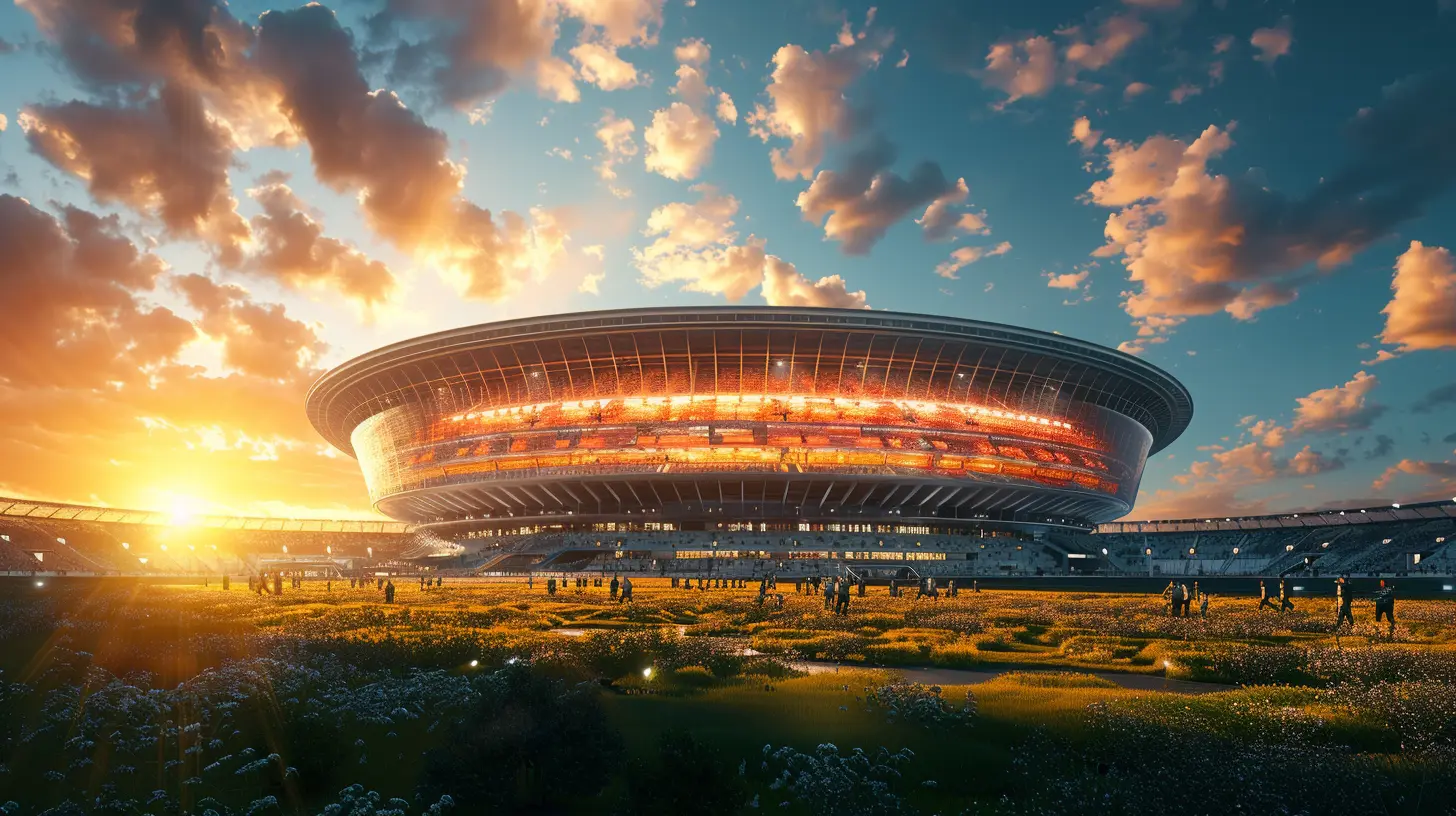
What’s in a Home Stadium?
A stadium isn’t just a place where games happen. It’s a sacred ground, a place where history is made. Think of it like a team’s physical heart — it pumps the lifeblood of fans, legacy, and spirit.Let’s break it down: You’ve got fans whose connection to the stadium borders on spiritual. Some have sat in the same spot for decades. Others can name every creak in the bleachers. There’s a real sense of belonging — like a second home. That’s not an accident. That’s identity.

The Psychological Advantage of Home Turf
Have you ever noticed how teams just seem to play differently at home? That’s not just your imagination. There’s something real behind that phenomenon, and a lot of it has to do with the stadium.It’s called the "home-field advantage," and it’s more than just familiarity with the locker rooms. When a team plays in its own stadium, it has everything tailored to its groove. The players know the turf’s quirks, the best angles on the field, how the wind swirls in that open-air corner — all the tiny details that outsiders have no clue about.
And let’s not ignore the fans. The energy of a packed stadium filled with people cheering for you? That’s fuel. That’s like having an extra player on the field. Opponents? They feel the heat — the crowd noise, the intimidation, the pressure. For teams, that psychological edge is pure gold.
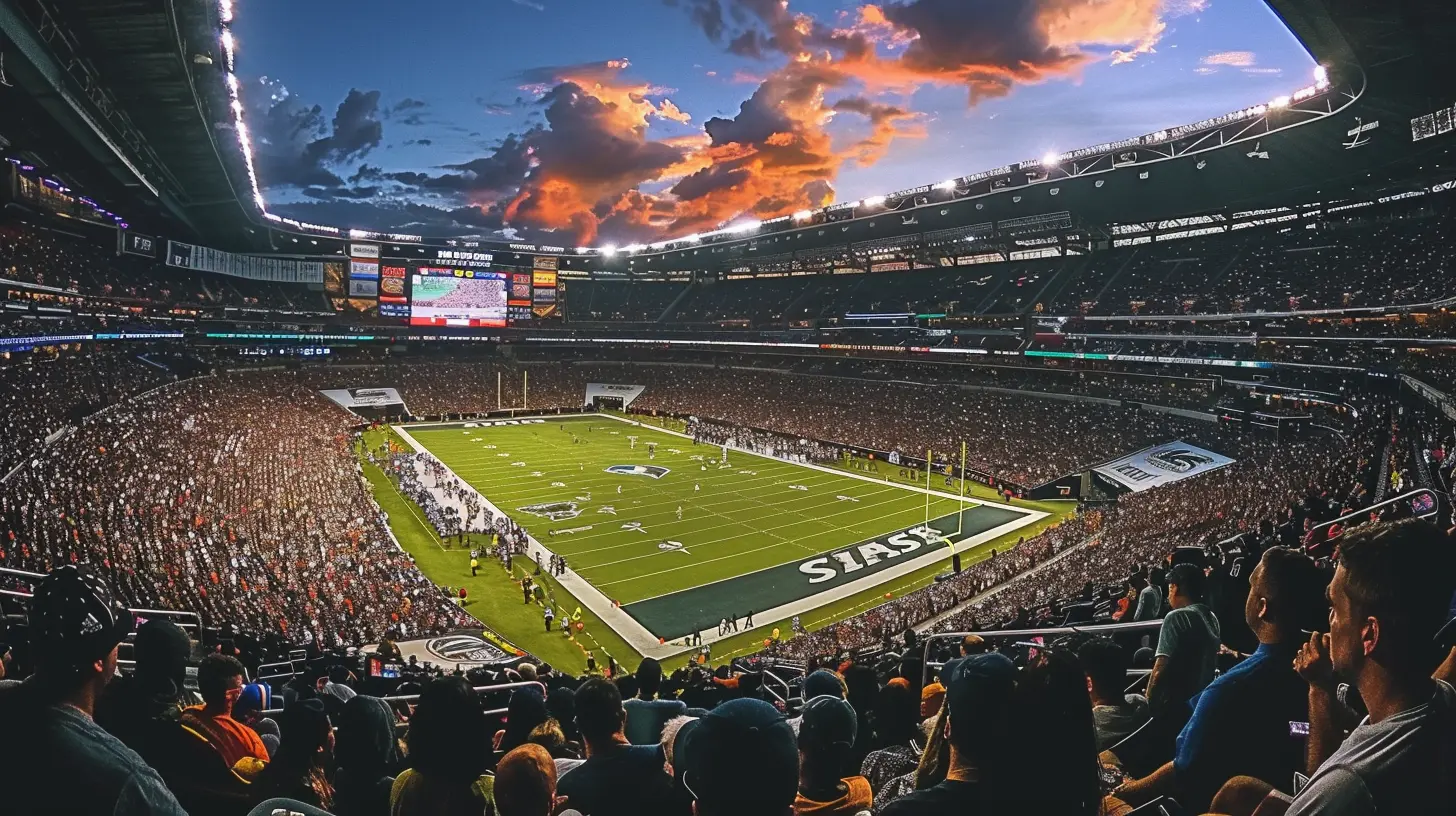
Stadiums as Cultural Landmarks
Think about the most iconic stadiums in the world: Old Trafford, Fenway Park, Camp Nou, Madison Square Garden. You don’t even need to be a fan of the teams that play there — those names alone give you goosebumps.Why? Because these places have transcended their geographic location. They've become cultural landmarks. These stadiums are synonymous with greatness, resilience, and drama. They house memories — championships, heartbreaks, last-minute miracles — that define not just the team, but the sport itself.
They also influence how the world sees the team. A team with a legendary stadium gets instant respect. It’s like wearing a badge of honor. There’s an aura that comes with a historic venue, and it often rubs off on the players and the fans.
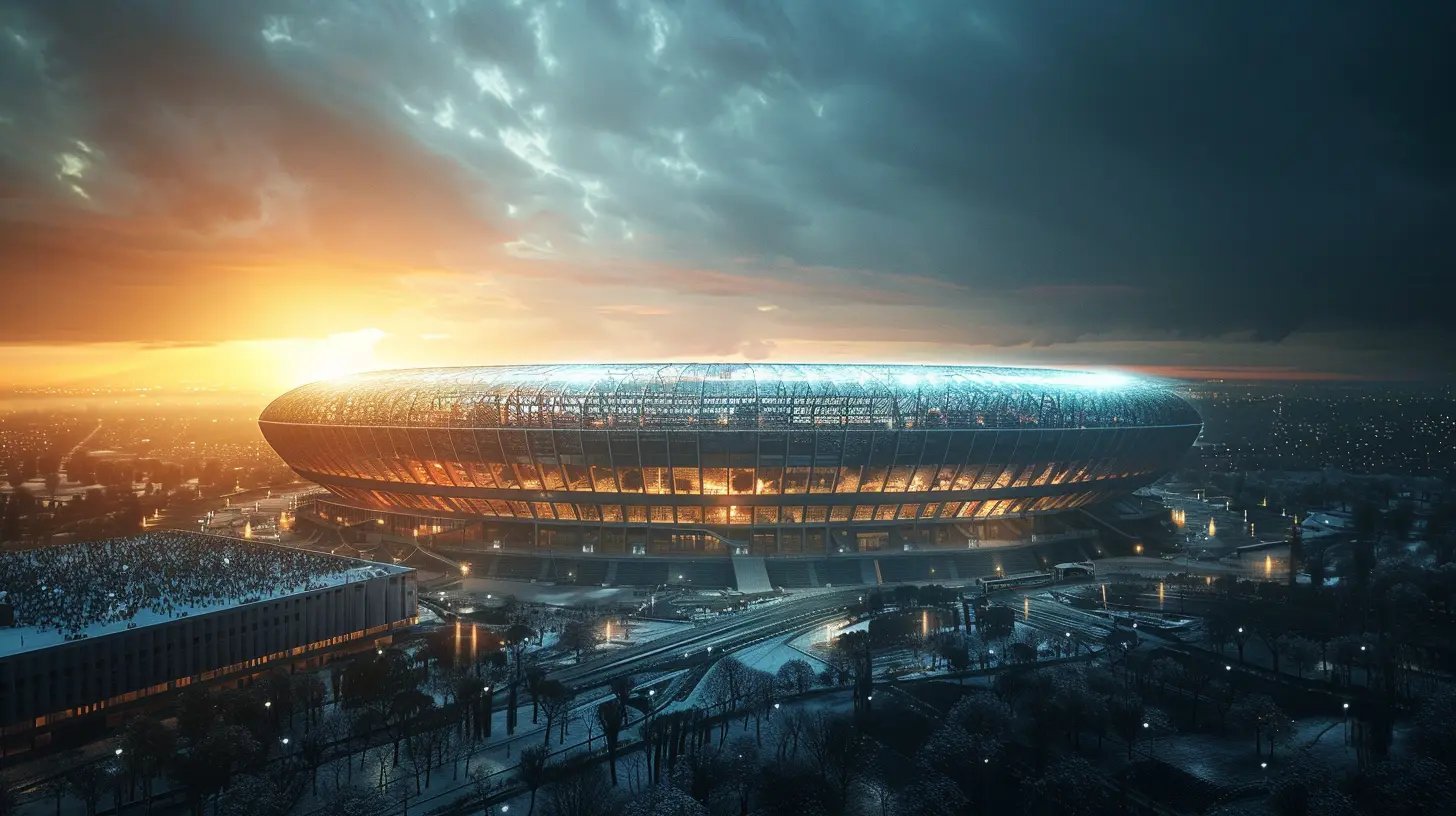
Architecture Meets Identity
Here’s something cool to think about: stadium architecture isn’t just about design — it’s storytelling.Some stadiums are built to reflect the soul of the city or the team they house. You can see it in the materials, the murals, the skyline views. Take a look at Allegiant Stadium in Las Vegas — sleek, bold, and flashy — it's basically an extension of Vegas culture. Or Lambeau Field in Green Bay — classic, no-frills, and cold-weather tough — just like the Packers.
The way a stadium looks and feels is often a reflection of the team’s values. Is it futuristic? Traditional? Intimate? Enormous? Every choice paints a different picture and sends a loud message about who the team is and what it stands for.
The Rituals and Traditions That Live There
Every stadium has its own unique traditions. The walk-up songs. The chants. The halftime rituals. Even the food stands become part of the identity (who hasn’t heard of Dodger Dogs or Philly cheesesteaks at Eagles games?).These traditions often can’t be duplicated elsewhere. That’s because they’re soaked in years of fandom and community vibes. They become part of the local language — a way for fans to connect and say, “This is our place. This is our team.”
When you think of these quirky traditions — like singing "Sweet Caroline" at Fenway or the Viking clap in Iceland’s national stadium — they wouldn’t feel the same anywhere else. That’s the magic stadiums bring. They're not just a stage. They are the fabric.
Building a Fortress: The Myth and Reality
Some stadiums earn a reputation as “fortresses.” Opposing teams dread visiting them. Not just because of the skill level of the home side, but because the stadium itself seems enchanted.Take Anfield, home of Liverpool FC. The crowd’s rendition of “You’ll Never Walk Alone” hits like a punch to the gut. The sound rolls through visiting players like thunder. Or Lumen Field in Seattle — that place is so loud it’s been nicknamed “The Clink,” and it's designed to trap sound and shake opponents’ confidence.
These stadiums become symbols of invulnerability. And fans feed off that. If your stadium is a fortress, you walk in with a swagger. You’re not just defending turf — you’re defending a legacy.
Stadium Relocations: Risking Identity?
Here’s a hot topic: what happens when teams move stadiums?Sometimes it's necessary — the old one is falling apart, or a new city offers better financial incentives. But man, it’s risky. For fans, this can feel like uprooting a family home. You’re messing with memories, legacy, and emotional ties.
Teams have to walk a fine line during a move. They need to modernize without losing their soul. The new venue must honor the past but look to the future. Some teams have done this brilliantly — like the San Francisco 49ers with Levi’s Stadium — while others have struggled to recreate the magic.
It’s like trying to move into a new house and make it feel like “home” overnight. Possible? Sure. Easy? Not at all.
The Financial Element: More Than Just Bricks and Seats
Now, let’s not ignore the economics here. Stadiums are massive investments, often costing billions. But guess what? They often generate significant returns — financially and brand-wise.Luxury suites, concerts, naming rights, sponsorships — there’s money to be made. But there’s another kind of payoff too: prestige.
When a team has an elite stadium, it can attract free agents, partnerships, and media attention. It tells the world, “We’re serious. We’re building something lasting.”
Stadiums as Emotional Anchors
Let’s get real for a moment. Why do fans care so much about stadiums?Because they're emotional anchors. You remember where you sat during your first game. The moment your team clinched a title. The time you high-fived a stranger after a buzzer-beater. These are moments you carry for a lifetime.
Stadiums hold those memories. They’re time capsules. Every seat tells a story, and every wall echoes with emotion.
We don’t just go to stadiums to watch games. We go to feel something we can't get anywhere else.
Final Thoughts
At the end of the day, a team without a stadium is like a band without a stage. Sure, they can still play, but the magic is different. Stadiums are where the team’s identity crystallizes — where spirit becomes tangible, where history is forged, and where fans become part of something bigger than themselves.So the next time you step into your team’s stadium, take a moment. Look around. You’re not just walking into a building — you’re stepping into identity, legacy, and heart.
all images in this post were generated using AI tools
Category:
StadiumsAuthor:

Umberto Flores
Discussion
rate this article
2 comments
Lira Carey
Stadiums are more than just venues; they shape a team's identity. The atmosphere, history, and connection fans feel transform games into shared experiences. A strong stadium presence can elevate a team's legacy and foster lifelong loyalty among supporters.
September 29, 2026 at 4:32 AM
Kristina McCallum
Stadiums are more than just venues; they are the heartbeat of a team's spirit. Each seat, each cheer, and each victory resonates, shaping the identity of the team and uniting fans in an unwavering bond that echoes through generations.
September 3, 2026 at 12:24 PM