Why Nutrition Is the Missing Link in Your Recovery Plan
31 October 2026
Most athletes treat recovery as a physical process. They foam roll, take ice baths, wear compression sleeves, prioritize sleep, and schedule massage sessions. All of that matters. But there is a quiet gap in most recovery plans, and it sits on the plate. Nutrition is often the last thing athletes think about after training and the first thing they cut when life gets busy. That ordering is backwards, and it costs performance.
Recovery is not a passive state. It is an active biological project. Your body is repairing muscle fibers, restocking glycogen, rebuilding connective tissue, calming systemic inflammation, and recalibrating hormones. Every one of those processes runs on raw materials that come from food. If the materials are missing, the work slows down no matter how many recovery gadgets you own.
This article looks at why nutrition deserves a central place in your recovery plan, how to build that plan without turning your life into a spreadsheet, and where common advice goes wrong.

Recovery Is a Construction Site, Not a Rest Stop
A useful analogy: training is the demolition crew, and recovery is the construction crew. Hard training creates controlled damage and drains fuel stores. Recovery is the phase where the body rebuilds, and ideally rebuilds slightly stronger than before. The construction crew needs bricks, mortar, tools, and energy. Food supplies all four.Three broad jobs dominate post-training recovery:
- Protein synthesis: repairing and rebuilding muscle tissue damaged by mechanical load.
- Glycogen restoration: refilling the carbohydrate stores in muscle and liver that power future sessions.
- Systemic restoration: supporting immune function, hormone balance, connective tissue repair, and nervous system recovery.
Each job has different nutritional requirements and different timing sensitivities. A recovery plan that addresses only one of them, usually protein, leaves the other two underfunded. That is why athletes who "eat plenty of protein" can still feel flat for days after a demanding block.

Why Nutrition Gets Overlooked
There are a few reasons nutrition falls through the cracks in recovery planning.First, recovery products are visible and marketable. A compression boot is a purchase. Eating enough carbohydrate at the right times is a behavior, and behaviors are harder to sell and harder to sustain. Athletes gravitate toward things they can buy and schedule.
Second, hunger is an unreliable messenger. Hard training can suppress appetite in the short term, especially after intense sessions or in heat. Athletes often undereat precisely when their needs are highest, and they may not notice until fatigue accumulates over weeks.
Third, nutrition advice is noisy. Conflicting headlines about fasting, low-carb diets, protein timing, and supplements make it tempting to ignore the whole topic. But the noise hides a fairly stable core of principles that most sports nutrition researchers and practitioners agree on.
Fourth, many recovery plans are built by coaches, physios, and strength staff who are experts in loading and tissue care but not in fueling. Nutrition becomes an assumed responsibility, which in practice means nobody owns it.
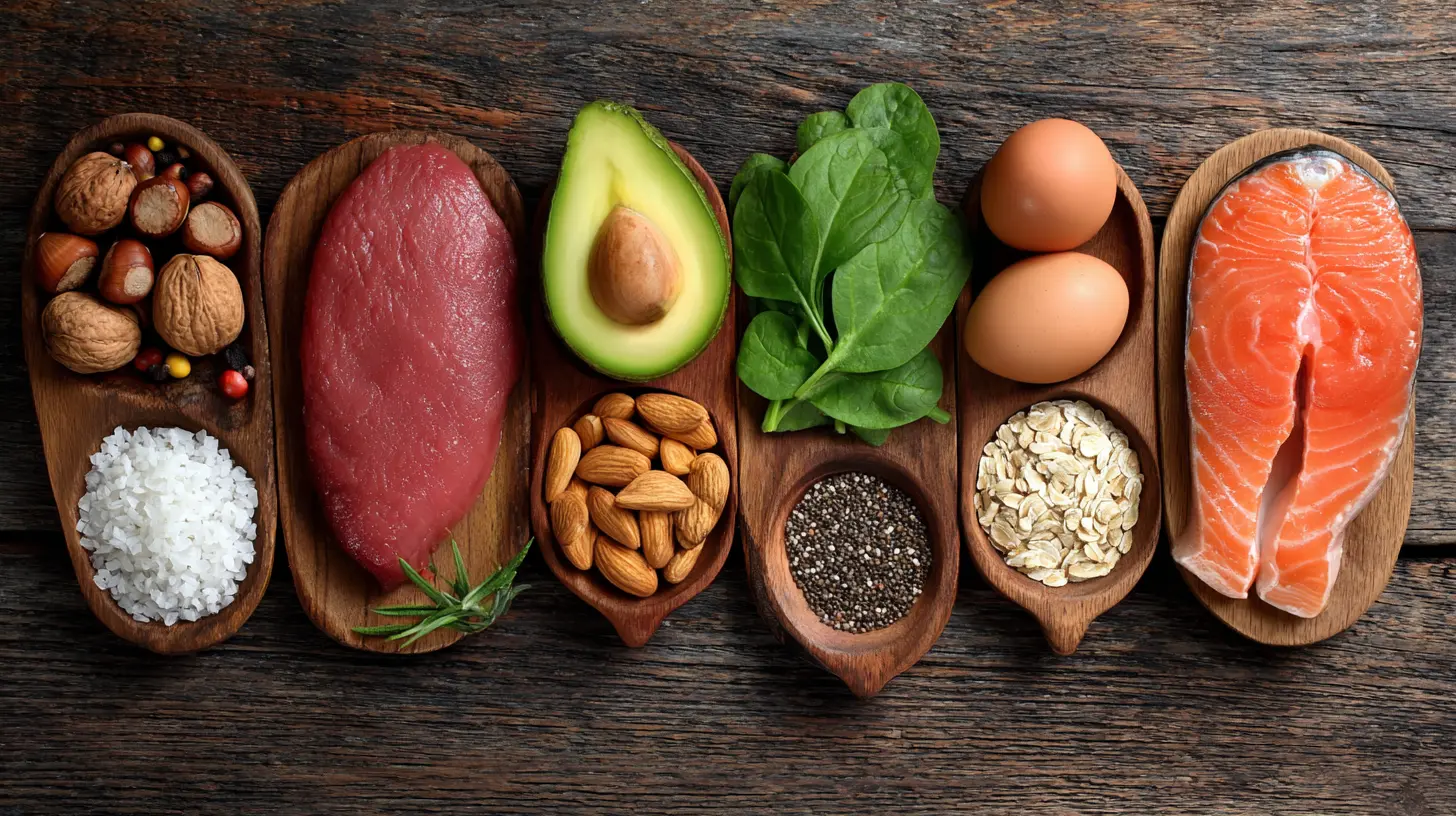
The Three Pillars of Recovery Nutrition
Energy Availability Comes First
Before protein, before timing, before supplements, there is total energy intake. The body needs enough calories to fund repair. When energy intake chronically falls short of what training demands, the body makes cuts. It downregulates hormones, slows tissue repair, compromises immune function, and degrades bone health over time. This state is often described as low energy availability, and it can occur even when an athlete eats what looks like a normal diet.The practical implication: a recovery plan built on restriction is self-defeating. If you are training hard and trying to lose fat aggressively at the same time, recovery will suffer, and so will adaptation. There is a time to be in a calorie deficit and a time to fuel performance. Trying to do both at full intensity usually produces mediocre results on both fronts.
A useful check: persistent fatigue, frequent minor illnesses, nagging soft tissue issues, poor sleep, and stalled progress despite consistent training are all signals worth reviewing through the lens of energy intake. They are not proof of underfueling, but they are reasons to look.
Protein: Enough, Spread Out, and Practical
Protein supplies amino acids for muscle protein synthesis. The research consensus that has held up well over time is that most athletes benefit from roughly 1.6 to 2.2 grams of protein per kilogram of body weight per day, with the higher end relevant during hard training blocks or calorie deficits. Beyond that range, returns diminish for most people.Distribution matters more than many athletes realize. Muscle protein synthesis responds to each protein feeding, and the response is blunted if feedings are too small or too far apart. A practical approach is to include a meaningful protein dose, roughly 0.3 grams per kilogram of body weight, in three to five meals or snacks across the day. For a 75 kg athlete, that is about 20 to 25 grams per feeding, which is a palm-sized portion of meat, fish, or tofu, or a large serving of dairy or a protein shake.
Quality also matters, though less than total intake. Animal sources and soy are complete proteins with good leucine content, and leucine is a key trigger for muscle protein synthesis. Plant-based athletes can meet their needs by combining sources across the day and slightly increasing total intake, since plant proteins are generally less digestible and lower in leucine per gram.
One common mistake: back-loading protein into a single large dinner. The body does not stockpile amino acids for later use the way it stores fat. Spreading intake is more effective.
Carbohydrates: The Recovery Fuel Athletes Love to Fear
Carbohydrate is the fastest way to restore glycogen, and glycogen is the fuel that powers high-intensity work. After a hard session, muscle is primed to take up carbohydrate, and delaying refueling can leave you starting the next session with a deficit.How much carbohydrate you need depends on the training load. A recreational athlete training a few times a week needs far less than a endurance athlete training twice a day. For high-volume training, guidelines commonly cited range from about 5 to 7 grams per kilogram per day for moderate loads up to 8 to 12 grams per kilogram per day for heavy endurance training. For most people reading this, the practical takeaway is simpler: do not fear carbohydrate after training, and make sure your hardest sessions are bracketed by adequate carbohydrate intake.
Timing matters most when the gap between sessions is short. If you train again within about 24 hours, especially within 8 hours, getting carbohydrate in soon after the first session helps. If you have a full day or more between sessions, total daily intake matters more than precise timing.
A trade-off worth naming: low-carbohydrate and fasted training approaches have legitimate uses for some athletes in some phases, particularly for improving fat oxidation or managing body composition. But they are poor default choices for recovery from high-intensity training. Glycogen restoration is slower on low carbohydrate intake, and the recovery cost shows up in subsequent session quality. The right question is not whether low-carb is good or bad, but whether it fits the specific goal of the current training phase.

Micronutrients and the Repair Crew
Protein, carbohydrate, and total energy get most of the attention, but several micronutrients play direct roles in recovery.- Iron supports oxygen transport and energy metabolism. Deficiency is common in endurance athletes and in menstruating athletes, and it shows up as fatigue and poor recovery before it shows up as anemia. Testing is the only reliable way to know.
- Vitamin D is involved in bone health, immune function, and muscle function. Levels depend heavily on sun exposure, latitude, and season, so deficiency is common in indoor athletes and in winter.
- Magnesium is involved in muscle contraction and relaxation and energy metabolism. Deficiency is possible when overall intake is low, though supplement marketing oversells its effects in well-fed people.
- Omega-3 fatty acids support cell membrane function and help manage inflammation. Food sources such as oily fish are preferable to supplements for most people, though supplements have a role for those who do not eat fish.
- Calcium matters for bone remodeling, which is part of the recovery story that athletes rarely think about.
The key insight here is that micronutrient status is mostly built through diet quality over time, not through a shake after training. A recovery plan that includes a wide variety of vegetables, fruits, whole grains, legumes, nuts, seeds, and quality protein sources covers most of the bases. Supplements fill specific gaps, ideally identified through testing or a clear dietary shortfall, not guesswork.
Hydration: The Recovery Variable Everyone Forgets
Dehydration impairs recovery in ways that are easy to miss. It reduces plasma volume, raises heart rate at a given effort, slows gastric emptying, and can compromise thermoregulation. Athletes often finish training mildly dehydrated and stay that way for hours because they drink to thirst rather than to need.A practical approach: weigh yourself before and after a long or hot session. Each kilogram lost is roughly a liter of fluid that needs replacing, plus some extra to account for ongoing losses. For shorter sessions, drinking to thirst with water and eating normal meals is usually enough. For long or hot sessions, replacing electrolytes, particularly sodium, helps retention and palatability.
Alcohol deserves a mention here. It is commonly used as a post-training reward, but it interferes with sleep quality, muscle protein synthesis, and rehydration. One drink after a hard session is unlikely to ruin your recovery, but regular heavy drinking after training is a genuine recovery tax.
Timing: How Much Does the Anabolic Window Really Matter?
The "30-minute anabolic window" has been oversold. Research suggests the window is wider than once believed, especially if you ate before training. If you had a solid meal a couple of hours before a session, you have time to eat a proper meal afterward rather than panic-drinking a shake in the locker room.That said, timing still matters in specific situations:
- Short turnaround between sessions: refuel quickly, ideally within an hour or two, with carbohydrate plus protein.
- Fasted training: if you trained without eating beforehand, post-training nutrition becomes more urgent.
- Very long or very hard sessions: the sooner you start replacing glycogen and providing amino acids, the better.
For most recreational athletes, the honest answer is that total daily intake and meal distribution matter more than minute-level timing. Chasing the perfect window while missing daily protein and calorie targets is a classic case of optimizing the wrong variable.
Real-World Scenarios and What They Reveal
The Weekend Warrior
Someone who trains hard on weekends and sits at a desk all week often eats well during the week and then underfuels on training days because they are busy, traveling, or simply not hungry after effort. The fix is not complicated: plan the day around training, include protein at each meal, and treat post-training food as part of the session, not an afterthought. A prepared meal or a simple combination like yogurt with fruit and granola often works better than a shake because it also delivers carbohydrate and micronutrients.The Endurance Athlete in a Heavy Block
Two sessions a day, six days a week. Here, carbohydrate intake and timing become central. The athlete who eats a large breakfast, trains, eats again, trains again, and eats dinner will recover far better than one who trains fasted and eats one large meal at night. The trade-off is logistical: eating this often takes planning and appetite management. Liquid carbohydrate sources and easy-to-digest snacks help when appetite is low.The Strength Athlete in a Calorie Deficit
Cutting fat while maintaining strength is a common goal, and it is where recovery nutrition gets tricky. Protein needs go up during a deficit, not down, because the body is more likely to break down muscle when energy is scarce. Resistance training plus high protein intake plus a moderate deficit is a reasonable approach. Aggressive deficits plus low protein plus high training volume is a recipe for lost muscle and stalled recovery.The Plant-Based Athlete
Meeting protein needs is entirely possible on a plant-based diet, but it requires attention. Total protein intake should be slightly higher, around the upper end of the general range, and sources should be varied across the day. Soy, legumes, lentils, tofu, tempeh, and seitan are strong options. Combining grains and legumes covers amino acid profiles. Creatine supplementation is worth considering for plant-based athletes, since dietary creatine intake is essentially zero on a plant-based diet and supplementation is well supported for strength and lean mass.
Common Mistakes and Misconceptions
Mistake: Treating protein as the whole recovery story. Protein is essential, but it cannot compensate for insufficient calories or carbohydrate. A high-protein diet that is low in total energy still leaves the construction site underfunded.Mistake: Using supplements as a substitute for meals. Supplements are called supplements for a reason. A shake can be a convenient way to hit protein targets, but it does not replace the micronutrients, fiber, and overall dietary pattern that support recovery.
Mistake: Cutting carbohydrate to lose weight while training hard. This often produces short-term scale movement and long-term performance decline. If fat loss is the goal, a moderate deficit with adequate protein and carefully managed training load is more sustainable.
Mistake: Ignoring appetite signals after hard training. Post-training appetite suppression is real. Planning a liquid or easy-to-digest snack for the first hour after training, then a proper meal later, works better than waiting for hunger that may not arrive.
Misconception: "Eating clean" is the same as eating for recovery. Clean eating is a vague term. Recovery nutrition is specific: enough energy, enough protein spread across the day, enough carbohydrate for the training load, and enough micronutrients from a varied diet. A diet can be clean and still be inadequate.
Misconception: More supplements mean better recovery. The supplement market is vast and mostly unnecessary for athletes who eat well. A small number of supplements have solid evidence behind them in specific contexts, such as caffeine for performance, creatine for strength and lean mass, beta-alanine for certain high-intensity efforts, and vitamin D or iron when deficiency is confirmed. Everything else deserves skepticism.
Building a Recovery Nutrition Plan That Actually Works
A workable plan usually rests on a few simple structures rather than constant calculation.Anchor meals around training. Eat a real meal within a couple of hours before training and another within a couple of hours after. This alone fixes many timing problems.
Include protein at every meal and snack. Aim for a palm-sized portion or more. This naturally spreads intake across the day.
Match carbohydrate to the work. Easy days need less. Hard days need more. Long sessions need carbohydrate during the session as well as after.
Keep hydration visible. A water bottle on the desk, a glass with every meal, and electrolyte replacement on hot or long days.
Plan for the low-appetite window. Have easy options ready: yogurt, smoothies, chocolate milk, fruit, rice cakes with nut butter, or a shake if that is what gets the job done.
Review periodically. Every few weeks, ask whether energy, sleep, mood, and training quality are trending in the right direction. If not, look at food intake before adding another recovery gadget.
Where Nutrition Fits Alongside Other Recovery Tools
Nutrition does not replace sleep, load management, or stress control. It works alongside them. Sleep is still the most powerful recovery tool available, and no diet compensates for chronic sleep deprivation. But nutrition is the tool that supplies the raw materials for everything else to work. A well-fed athlete who sleeps poorly will recover better than an underfed athlete who sleeps well, and an athlete who does both will outperform both.The hierarchy matters: energy intake, protein, carbohydrate, micronutrients, hydration, then supplements and timing refinements. Most athletes would benefit from getting the first four right before spending money on the last two.
The Bottom Line
Recovery plans tend to focus on what you do to your body: ice, compression, massage, sleep positions, recovery boots. Nutrition is what you put into your body, and it is the raw material for every repair process that those tools are trying to support. Ignoring it is like hiring a construction crew and forgetting to order bricks.The good news is that the core principles are not complicated. Eat enough. Eat protein throughout the day. Match carbohydrate to your training. Eat a varied diet that covers micronutrients. Drink enough fluid. Use supplements selectively and with evidence. Get the basics right consistently, and the marginal gains from everything else become meaningful.
If you take one thing from this article, make it this: your recovery plan is incomplete until nutrition is a planned, deliberate part of it, not an afterthought squeezed between training sessions.
all images in this post were generated using AI tools
Category:
Recovery And RehabAuthor:

Umberto Flores

