The Rise of Club Teams: How Local Teams Are Shaping Global Sports
13 June 2026
Sports fans, gather around! We need to talk about something big—something that’s been brewing under the radar while we were all caught up in the frenzy of international tournaments. Club teams, once thought to be the underdogs compared to national squads, are now taking over global sports. Don't believe me? Well, sit tight because we're diving deep into how local teams are shaking up the world.
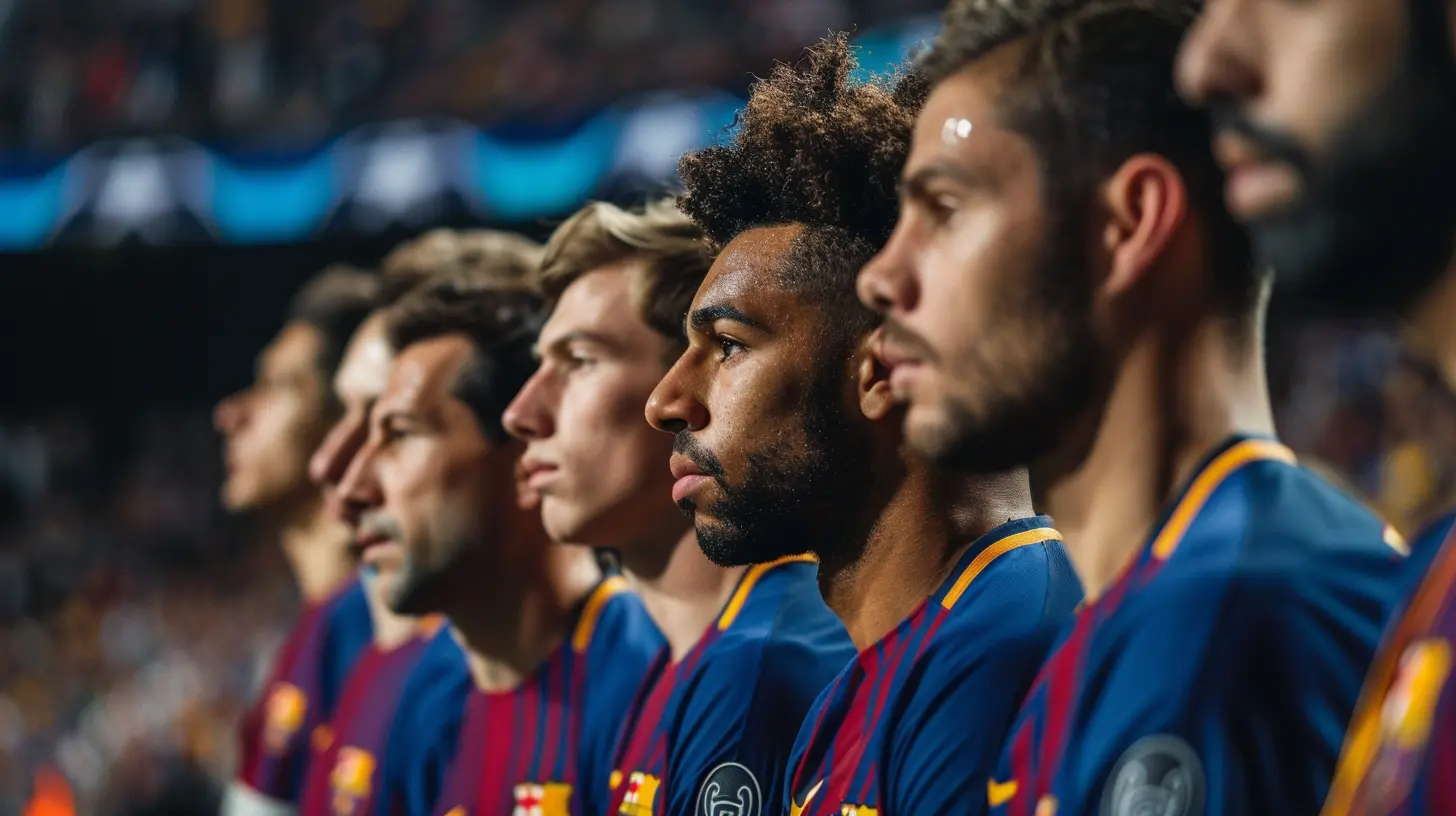
Club Teams vs. National Teams: The Shift in Power
For decades, national teams were considered the gold standard in sports. Winning a World Cup? That was the pinnacle of achievement. But let's be real—club teams have been creeping up, stealing the spotlight, and making a serious case for being the heart and soul of modern sports.Why? Because club teams don’t just get together for a few months every few years—they train, grow, and develop together year-round. They build chemistry, attract the best talent from around the world, and create a level of competition that national teams struggle to match.
And if you need proof, just look at football (or soccer, depending on where you’re from). The UEFA Champions League finals? Often more thrilling than the FIFA World Cup finals. Domestic leagues? Packed stadiums, passionate fans, and rivalries that make international games look like friendly matches.

The Business of Club Sports: A Billion-Dollar Industry
From selling jerseys in Tokyo to securing sponsorships from multinational corporations, club teams have turned into massive global businesses.Take the English Premier League, for example. It’s broadcasted in over 200 countries and has fans across continents. Clubs like Manchester United, Real Madrid, and Bayern Munich rake in billions through TV rights, sponsorships, and merchandise sales.
Even in basketball, the NBA's brand is largely driven by club teams rather than international competition. The Los Angeles Lakers vs. Boston Celtics rivalry? That’s got more history and drama than most Olympic basketball contests.
Clubs have become financial powerhouses, with some teams being valued higher than entire national federations. And thanks to social media, clubs now have direct access to global audiences, increasing their influence beyond borders.
Grassroots Development: The Backbone of Club Success
If you’ve got a dream of becoming the next Cristiano Ronaldo or LeBron James, odds are, your journey starts at a local club. Youth academies groom players from a young age, giving them the skills and exposure they need to reach the top.One of the biggest advantages of club teams is their ability to nurture talent from the ground up. Unlike national teams that wait for players to emerge, clubs actively scout, sign, and train young prodigies.
Take Barcelona’s famous La Masia academy. It produced legends like Lionel Messi, Xavi, and Andrés Iniesta. Without club teams heavily investing in youth programs, the global sports scene wouldn’t have a fraction of the talent it does today.

Club Loyalty: A Religion for Fans
Let’s talk about the fans—the lifeblood of club sports. Supporting a local team isn’t just a hobby; it’s a way of life.Some of the most passionate sports rivalries exist at the club level. Think about Boca Juniors vs. River Plate in Argentina or the North London Derby between Arsenal and Tottenham. The emotional investment in club teams is unmatched.
Fans live and breathe their club’s colors. They chant, they cry, they celebrate, and yes, sometimes they scream at their TV screens like their life depends on it. And unlike national teams, where tournaments happen once in a while, clubs give fans something to cheer (or stress about) every single week.
How Club Teams Are Influencing Global Sports Cultures
Club teams have done something incredible—they’ve blurred national boundaries. Once upon a time, sporting loyalties were tied to where you were born. Now? You can find a die-hard Liverpool fan in India, a Barcelona supporter in Nigeria, and a Lakers fan in the Philippines.Social media and live-streaming have made it possible for fans to stay connected with their favorite clubs, no matter where they live. It’s not uncommon to see Manchester United fan clubs in South America or Golden State Warriors watch parties in Europe.
The global reach of clubs has also influenced player movement. Gone are the days when players only played in their home countries. Today, you have Brazilians dominating English football, Europeans taking over the NBA, and Japanese athletes making waves in baseball leagues worldwide.
The Future of National Teams in a Club-Dominated World
So, does this mean national teams are doomed? Not necessarily. World Cups and international tournaments still draw massive audiences, and nothing quite compares to the pride of representing one’s country.But let’s be honest—the balance of power has shifted. Club teams now have more influence over player development, and the best footballers, basketball stars, and cricketers often make their mark at club level first.
One thing is certain: the future of global sports belongs to clubs. They’re faster, more innovative, and constantly evolving in ways that national teams simply can’t keep up with.
Conclusion: The Club Revolution Is Here
Like it or not, club teams are shaping the future of global sports. They dominate the business side of things, develop young talent, and capture the hearts of fans worldwide. Whether you're a hardcore supporter or a casual observer, one thing is clear—club teams aren’t just local anymore. They’re global.So, the next time you tune in to an international sports event, just remember—the real action happens every weekend, on club grounds, where legends are made, and history is written.
all images in this post were generated using AI tools
Category:
Club TeamsAuthor:

Umberto Flores
Discussion
rate this article
1 comments
Gabrielle Kelly
This article highlights an exciting trend in sports. Local club teams are not just fostering talent; they are transforming the global scene. The community spirit and dedication at these grassroots levels are making waves, proving that big things often start from small places. It's an inspiring shift.
June 18, 2026 at 4:48 AM
Umberto Flores
Thanks for your thoughts! It's amazing to see how grassroots efforts are driving change in the sports world. Local club teams truly are the heartbeat of this movement.