The Role of Stadiums in Hosting Olympic Games
12 July 2026
The Olympics. Just the word brings a surge of excitement, doesn't it? It's a global spectacle that captures the spirit of competition, unity, and human potential like no other event on Earth. But have you ever stopped to think about what goes on behind the scenes? Beyond the medals, athletes, and ceremonies, there's a silent hero in every Olympic Games—the stadiums.
Yeah, I know what you're thinking. "Come on, it's just a bunch of buildings, right?" Well, not quite. Stadiums are the beating heart of the Olympics. They're the stage where dreams are realized, where nations come together, and oddly enough, they become symbols of a country’s identity for decades, maybe even centuries.
So, let’s dive in. Let’s talk about the vital and often misunderstood role of stadiums in hosting the Olympic Games—something far deeper than bricks and mortar.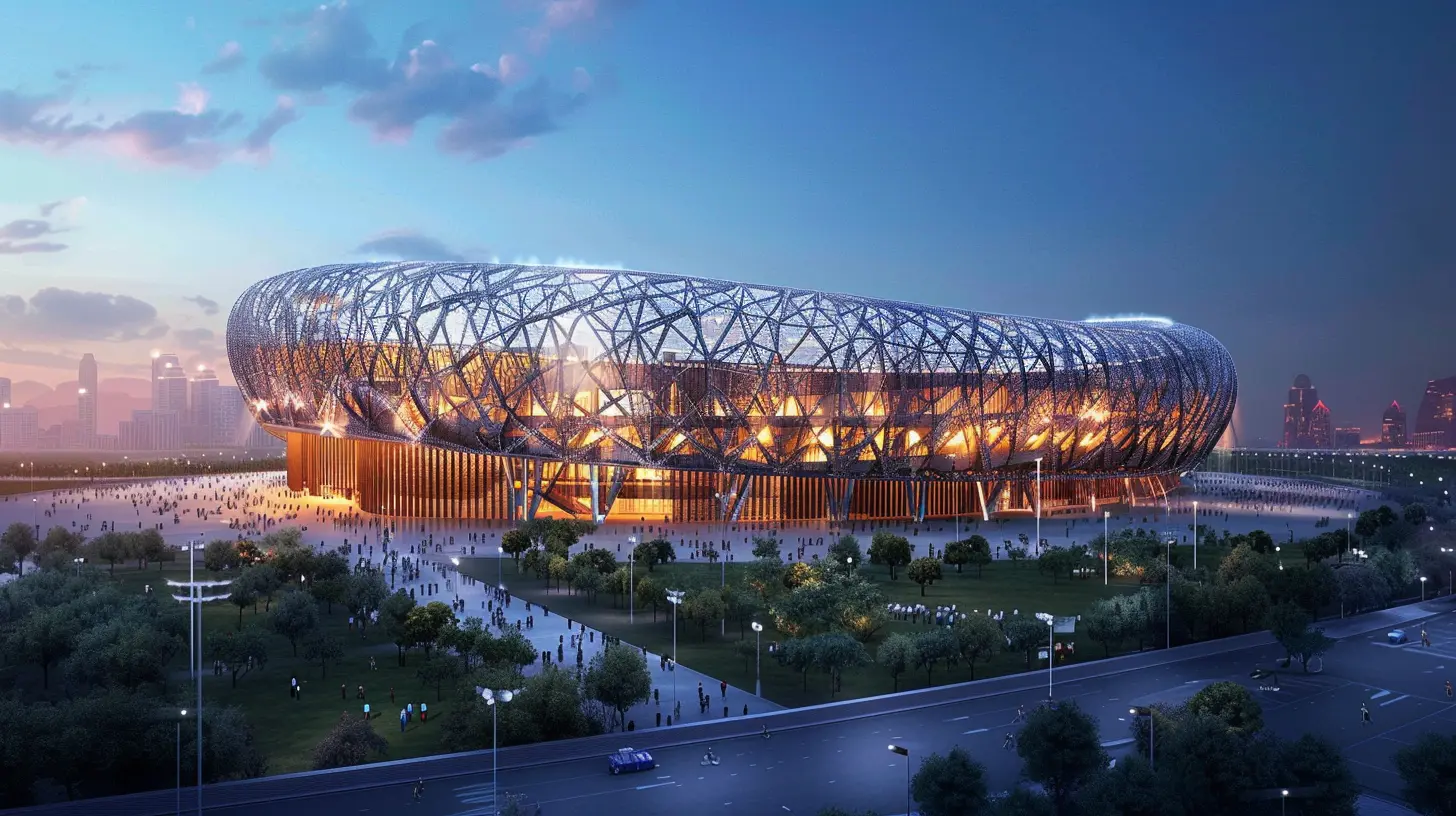
The Olympic Dream Begins with Infrastructure
At first glance, stadiums may just look like gigantic concrete bowls dotted with seats. But they're so much more.Imagine trying to host a world-class concert with dodgy speakers and no stage lighting. Sounds chaotic, right? The same goes for the Olympics. Stadiums provide the structure, quite literally, for everything else to happen. Without these iconic venues, the Games wouldn’t function. They’re the backbone of the event.
And it’s not only about function—it’s about inspiration. From the Bird’s Nest in Beijing to the historic Colosseum-inspired arenas in Athens, these buildings stand as architectural marvels that set the tone for the entire event.
A Home for Every Sport
The Olympics isn’t just one event. It’s a massive collection of sports, from the high-flying gymnastics to the thunderous sprint of the 100-meter dash. Each one has unique needs, specific dimensions, and even atmospheric requirements.Stadiums are custom-designed or rigorously adapted for those needs. You’ve got aquatic centers for swimming and diving, velodromes for cycling, arenas for basketball and gymnastics, and of course, the main Olympic stadium where opening and closing ceremonies happen.
It's like building an entire sports city from scratch—and sometimes, that’s exactly what host countries do.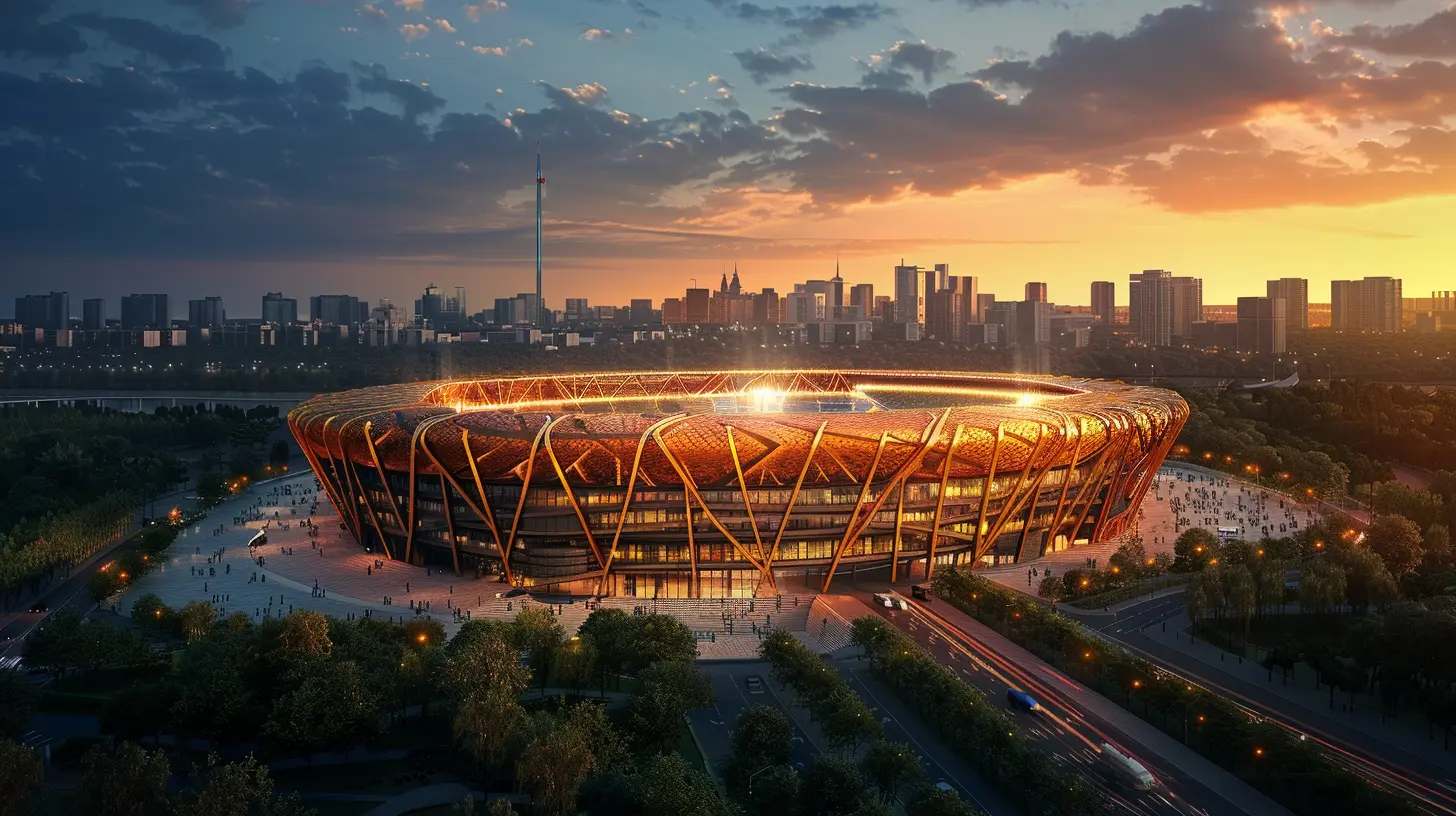
The Opening and Closing Ceremonies: A Stadium’s Time to Shine
Let’s be honest. Half of us watch the Olympics just for the opening and closing ceremonies. They’re magical, aren’t they?These global showcases of art, culture, and heritage aren’t just thrown together. They rely on the stadium and its tech capabilities—lighting, sound, screens, pyrotechnics—you name it. The main stadium is decked out like a Broadway stage on steroids to wow billions of viewers worldwide.
You could argue the opening ceremony is like the first page in a novel. And the stadium? That’s the canvas where the story begins.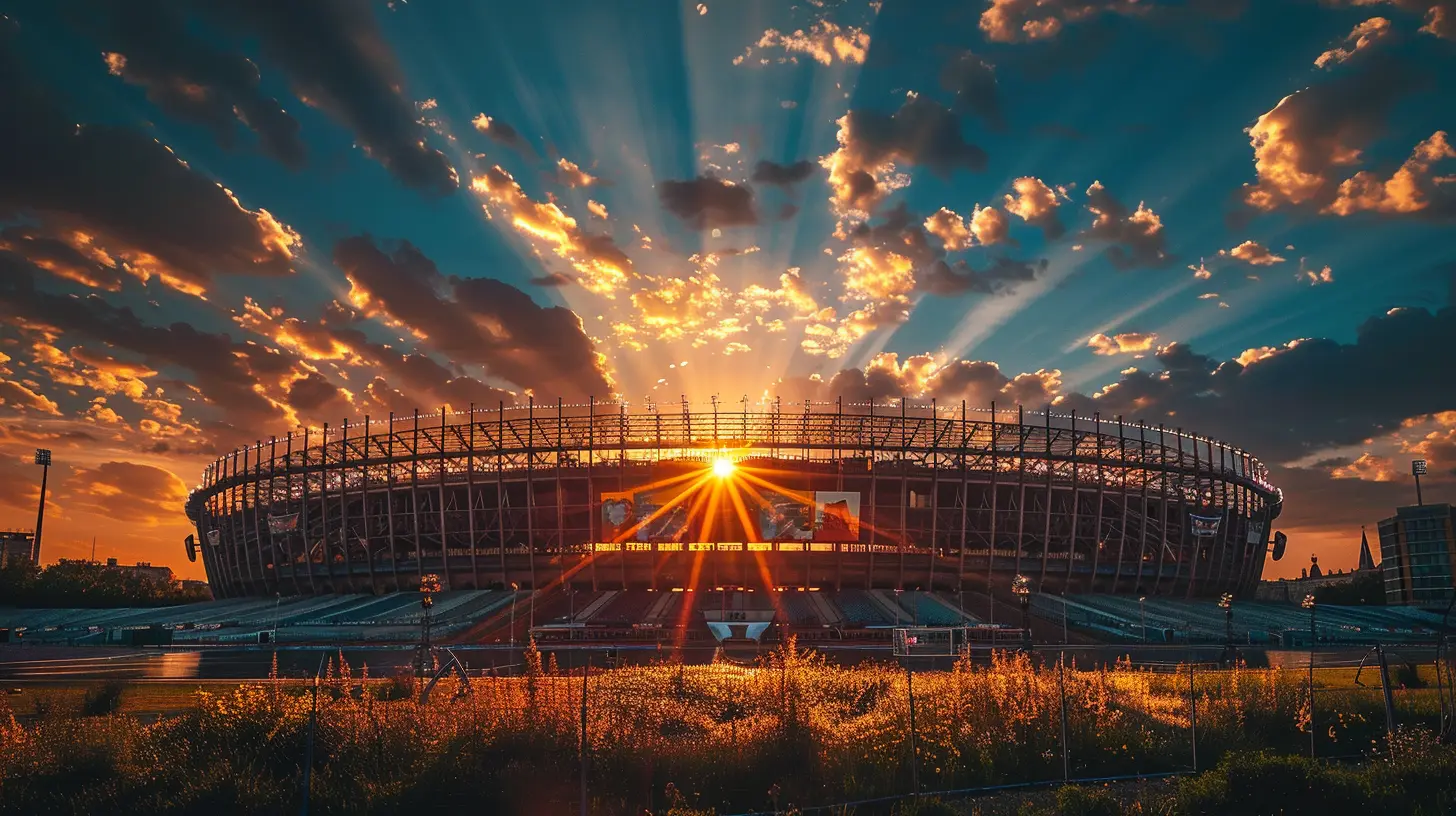
Stadiums as Cultural Statements
One of the most overlooked aspects of Olympic stadiums is their ability to tell a story about the host city or country.Think about it. What’s the first image that pops into your head when you think of the 2008 Beijing Olympics? I’m betting it’s the Bird’s Nest stadium. That arena wasn’t just built to host track and field; it represented China’s blend of ancient tradition and modern innovation.
Similarly, London’s Olympic Stadium in 2012 was praised for its sustainability and adaptability—fitting for a country emphasizing green solutions during that time.
These stadiums are more than just sports venues. They’re monuments—lasting symbols of how a nation wants to be remembered on the world stage.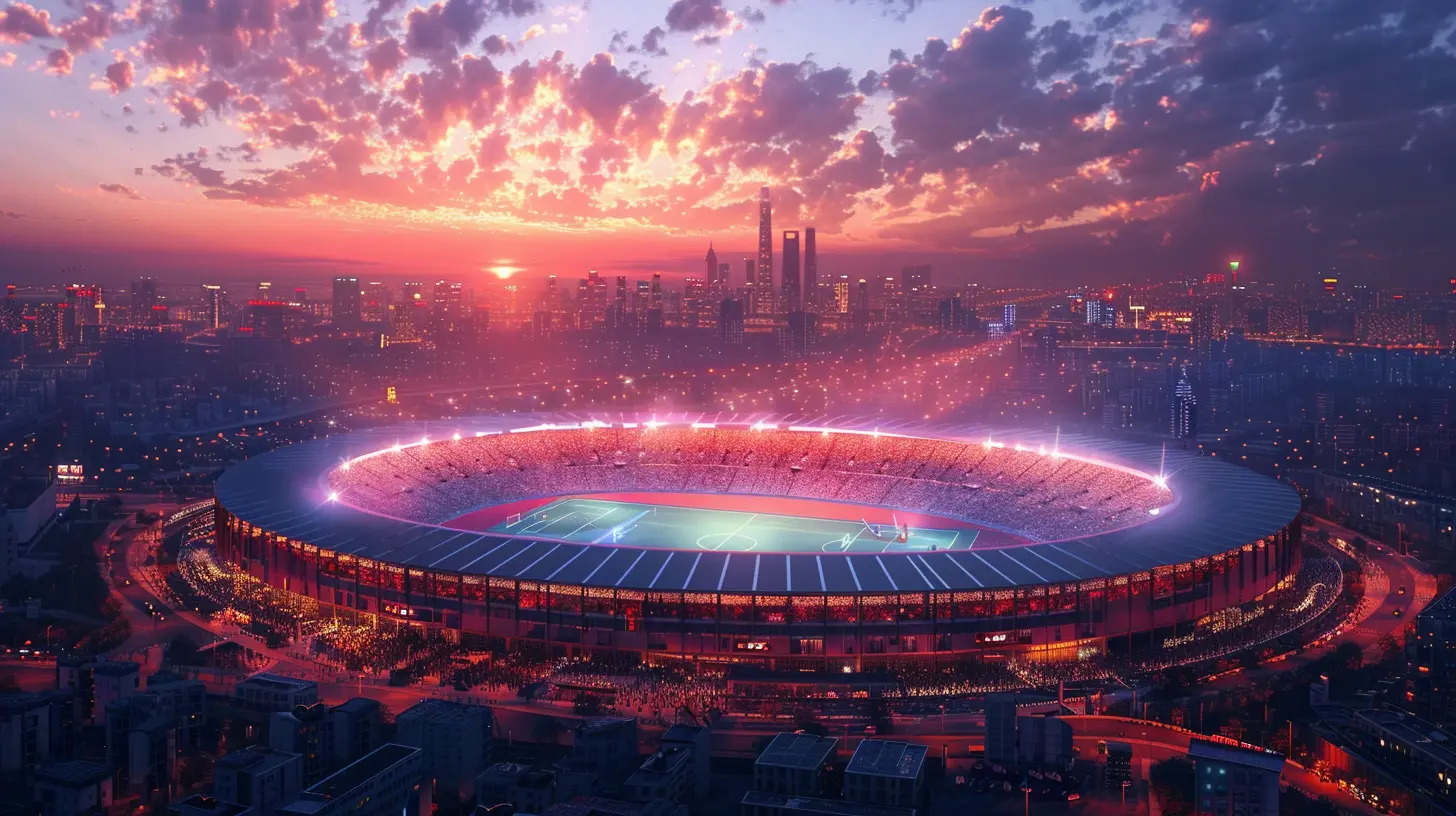
The Economic Impact—A Double-Edged Sword
We can’t talk about stadiums without touching on the cost. Building Olympic-standard facilities is not cheap. In fact, it’s one of the most debated aspects of hosting the Games.On one side, new stadiums can spark economic growth. They create jobs, boost tourism, and can lead to long-term urban development. Think of Barcelona in 1992—its Olympic investment transformed the city into a tourism powerhouse.
But here's the flip side. Some stadiums become white elephants—huge, expensive, underused relics of a time gone by. Just look at some structures after the 2004 Athens Games; they’re now crumbling, barely used, and serve as cautionary tales.
So, it’s a balancing act. Countries need to think long-term. Will the stadium still serve a purpose after the last firework has exploded?
Sustainability and Legacy: Building for the Future
In recent years, the International Olympic Committee (IOC) has made sustainability one of its core missions. And stadiums are at the heart of that goal.Many modern stadiums are now designed to be eco-friendly, modular, and adaptable. Take Tokyo 2020, for instance. The Olympic Stadium was built using sustainably sourced timber and designed to be partially reusable post-Games. It’s not just about now—it’s about tomorrow.
And you know what’s even cooler? Some cities are using existing stadiums rather than building new ones. Why reinvent the wheel if a perfectly good one already exists, right?
This shift reduces waste, saves money, and ensures a better legacy post-Olympics. That’s progress in action.
Stadiums as National Icons
Let’s not downplay the emotional impact. Stadiums often become national treasures. Think of Sydney’s Olympic Stadium. It’s more than just a venue; it’s a source of national pride. Families take tours, children dream of competing there, and it becomes part of the collective memory of a country.In the same way that the Eiffel Tower is to Paris or Big Ben is to London, Olympic stadiums often become architectural calling cards for the cities they reside in.
The Fan Experience: It’s All About the Vibe
Let’s not forget about the fans. A well-designed stadium transforms watching a game from “meh” to magical. The acoustics, seating arrangement, tech integration, and accessibility—all these little things add up to make the Olympic experience unforgettable.When you walk into an Olympic stadium, there’s a buzz in the air. It’s electric. You feel like something epic is about to unfold. And that’s no accident. Architects and planners spend years perfecting that exact feeling.
It’s not just steel and concrete. It’s emotion, energy, and atmosphere—bottled up and unleashed every time the crowd goes wild.
The Global TV Audience: Stadiums on the World Stage
Modern stadiums aren’t built just for the people sitting in the stands. Nope, they’re designed with millions—sometimes billions—of TV viewers in mind.Everything from lighting to camera angles, even the design of the field or track, is optimized for perfect visuals. Because let’s face it, in the digital age, going viral is gold.
Stadiums are essentially the most-viewed part of the Games. So they must look world-class both in person and through a lens.
Tech That Powers the Show
We can’t wrap this up without talking tech. Olympic stadiums are loaded with technology designed to enhance everything from performance measurement to fan experience.Smart lighting systems, real-time data analytics, high-speed Wi-Fi, interactive fan zones, and even augmented reality—stadiums today are high-tech hubs that go far beyond simply hosting a sport.
This tech also helps in security, crowd control, and smooth operation throughout the Games. It’s like running a small city, all housed under a massive roof.
Final Thoughts: More Than a Venue
So, what’s the real role of stadiums in hosting Olympic Games? Literally everything.They’re not just buildings; they’re symbols, stages, and launching pads for greatness. They carry the weight of a nation’s pride, the hopes of athletes, and the awe of spectators around the globe.
Sure, they cost a pretty penny, and yeah, they can be controversial. But when done right, Olympic stadiums become legacies—not liabilities. They become part of the story, etched in global memory, with every cheer, every tear, and every record-breaking moment.
So next time you see a gold medal draped around an athlete’s neck, take a moment to appreciate the stadium that made it all possible.
all images in this post were generated using AI tools
Category:
StadiumsAuthor:

Umberto Flores
Discussion
rate this article
1 comments
Kirk Gomez
Stadiums are crucial for the Olympic Games, serving as venues for competitions, gathering crowds, and creating a memorable atmosphere for athletes.
July 18, 2026 at 4:47 AM
Umberto Flores
Absolutely, stadiums enhance the excitement and experience of the Olympics, making them unforgettable for both athletes and fans.